
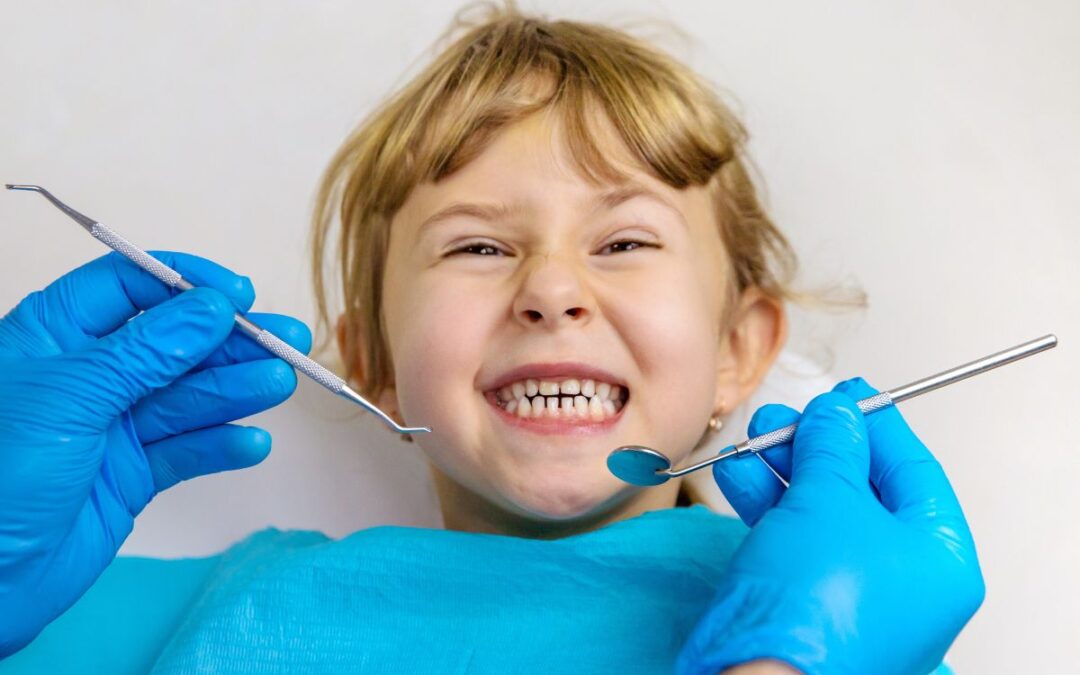
Many parents assume baby teeth are temporary and, therefore, not a significant concern. After all, they eventually fall out, right? In reality, baby teeth play a critical role in a child’s overall health and development. From proper nutrition to confident communication, these early teeth set the stage for a lifetime of healthy oral habits. Understanding their importance can help parents make informed decisions that benefit their child well beyond childhood.
The Role of Baby Teeth in Early Development
Baby teeth begin forming before birth and usually start appearing around six months of age. These teeth help children chew food correctly, supporting healthy digestion and balanced nutrition. Without strong baby teeth, children may avoid certain foods, limiting dietary variety during crucial growth years.
Speech development is also closely tied to baby teeth. Sounds like “th,” “s,” and “f” require proper tooth placement. Missing or damaged baby teeth can affect pronunciation and clarity, sometimes leading to speech challenges that require additional support.
How Baby Teeth Guide Permanent Teeth?
One of the most important functions of baby teeth is acting as placeholders for adult teeth. Each baby tooth maintains space in the jaw, guiding permanent teeth into their correct positions. When a baby tooth is lost too early due to decay or injury, the surrounding teeth can drift into the space left by the missing tooth. This may lead to crowding or alignment issues later.
Midway through early childhood, families often consult a pediatric dentist in Buckeye to monitor spacing and jaw development. These visits help ensure that permanent teeth receive the guidance they need to emerge smoothly, reducing the likelihood of future dental complications.
Oral Health and Overall Well Being
Healthy baby teeth contribute to more than just a bright grin. Tooth decay in early years can lead to discomfort, infections, and difficulty concentrating at school. Oral health issues can also impact self-esteem, especially as children become more aware of their appearance and interactions with peers.
Maintaining baby teeth through regular checkups and consistent home care supports overall wellness. When children learn that dental visits are a normal and positive experience, they are more likely to continue those habits into adulthood.
Building Positive Dental Habits Early
Early dental visits help children become comfortable in a clinical setting. A gentle approach, combined with education, teaches kids how brushing, flossing, and healthy eating protect their teeth. Parents who reinforce these habits at home create a strong foundation for long-term oral health.
When to Seek Professional Guidance?
The American Dental Association recommends a child’s first dental visit by their first birthday or when the first tooth appears. Regular visits allow dental professionals to spot early concerns and guide parents on proper care techniques. If you are looking for trusted guidance, visit our dental office, where child-focused care emphasizes comfort and prevention.
A Healthy Start Leads to a Healthy Future
Baby teeth may be temporary, but their impact is lasting. They influence how a child eats, speaks, and feels about their smile. Prioritizing early dental care supports healthy development and helps avoid complications later in life. If you have questions about your child’s oral health or want to schedule an appointment, contact us at 623-401-9440
today to take the first step toward protecting those important little teeth.
Frequently Asked Questions
- Why are baby teeth important if they fall out anyway?
They help with chewing, speech development, and guide permanent teeth into proper positions. - At what age should my child first see a dentist?
Most children should have their first dental visit by age one or when the first tooth appears. - Can cavities in baby teeth affect adult teeth?
Yes, infections in baby teeth can impact the health and development of permanent teeth underneath. - How can parents help prevent tooth decay in young children?
Consistent brushing, limiting sugary snacks, and regular dental checkups are key preventive steps. - Are dental X-rays safe for children?
Yes, modern dental imaging uses low radiation levels and is considered safe when clinically necessary. - How often should children visit a pediatric dentist?
Most children benefit from dental visits every six months, depending on their individual needs.