
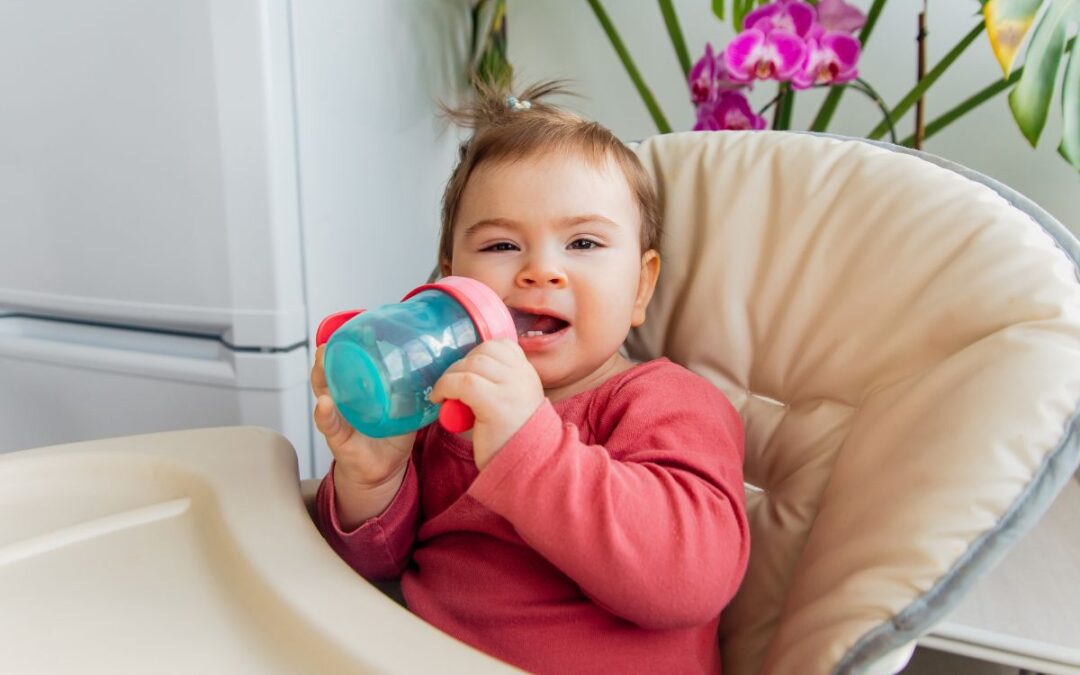
Parents in Mesa often work hard to build healthy routines for their children from an early age, including feeding habits that support growth and comfort. While bottle-feeding is common during infancy, continuing the habit for too long may affect dental development in several ways. Extended bottle use can influence tooth alignment, jaw growth, and the risk of tooth decay as children grow older. Understanding how prolonged bottle-feeding affects oral health can help parents make informed decisions to support healthy smiles in childhood.
How Prolonged Bottle-Feeding Affects Baby Teeth
Baby teeth play an important role in speech development, chewing, and guiding permanent teeth into place. When children continue bottle-feeding beyond the recommended age, sugary liquids such as milk, juice, or formula may stay on the teeth for longer periods. This repeated exposure can increase the risk of tooth decay, especially when children fall asleep with a bottle.
Nighttime Bottle Use Can Increase Decay Risk
During sleep, saliva production naturally decreases, making it easier for sugars and acids to remain on the teeth. Over time, this may contribute to cavities commonly referred to as baby bottle tooth decay.
Jaw and Bite Development May Be Affected
Extended bottle use may also influence the development of the jaw and bite. The sucking motion used during bottle-feeding can place repeated pressure on developing oral structures, especially if the habit continues into the toddler years.
Many parents who consult a kid’s dentist in Mesa ask about the connection between bottle-feeding and bite alignment. In some cases, prolonged bottle use may contribute to spacing problems, bite irregularities, or changes in how the upper and lower teeth fit together.
Oral Habits Shape Dental Development
Healthy oral habits during early childhood can support proper jaw growth and reduce the likelihood of alignment concerns later in life.
Transitioning From Bottles to Cups Matters
Pediatric dental professionals often encourage transitioning from bottles to cups around the first birthday. Sippy cups or training cups can help children develop more mature swallowing patterns and reduce prolonged exposure to sugary liquids.
Gradual Changes Can Make the Process Easier
Some children adjust more comfortably when bottle use is reduced slowly over time rather than stopped suddenly. Parents may begin by replacing one bottle each day with a cup to encourage the transition.
Regular Dental Visits Support Early Prevention
Routine dental visits help monitor oral development and identify concerns before they become more serious. Early exams allow dentists to evaluate the condition of baby teeth, discuss feeding habits, and provide guidance based on a child’s developmental stage.
Parents who visit our dental office in Mesa often have questions about thumb-sucking, pacifier use, and bottle-feeding habits during toddlerhood. Addressing these concerns early may help support healthier dental growth and improve long-term oral care routines.
Preventive Care Encourages Healthy Smiles
Professional cleanings, oral exams, and preventive guidance all contribute to maintaining healthier teeth throughout childhood.
Healthy Feeding Habits Can Protect Growing Teeth
Offering water between meals, limiting sugary drinks, and cleaning your child’s teeth regularly can help reduce the risk of cavities. Parents are also encouraged to avoid putting children to bed with bottles containing milk or juice.
Consistent Oral Care Builds Healthy Habits
Brushing baby teeth twice daily with age-appropriate toothpaste can help establish routines that continue as children grow older.
Support Your Child’s Dental Development Early
Early feeding habits can influence dental development long after infancy. Understanding the effects of prolonged bottle-feeding may help parents protect their child’s teeth, gums, and bite alignment as their child grows.
If you have questions about your child’s oral development or feeding habits, our team is here to help. Contact us at 855-637-9929 today to schedule an appointment and receive guidance focused on your child’s dental health needs.
FAQs
- At what age should children stop using a bottle?
Many dental professionals recommend transitioning away from bottles around the first birthday. - Can bottle-feeding cause cavities in toddlers?
Yes, prolonged exposure to sugary liquids from bottles may increase the risk of tooth decay. - Why is sleeping with a bottle harmful for teeth?
Sugars from milk or juice can remain on the teeth overnight, increasing the chance of cavities. - Does prolonged bottle use affect jaw development?
Extended bottle-feeding may influence bite alignment and jaw growth in some children. - Are sippy cups better than bottles for toddlers?
Training cups may help children transition away from bottle habits and support healthier oral development. - When should a child first visit the dentist?
Children are often encouraged to have their first dental visit by their first birthday or when the first tooth appears. - How can parents help prevent baby bottle tooth decay?
Brushing teeth regularly, avoiding sugary bedtime bottles, and scheduling routine dental visits may help reduce the risk of cavities.