
PEDIATRIC SEDATION DENTISTRY
Gilbert, AZ
“My daughter has always been afraid of the dentist, but after coming to Sun Valley Pediatric Dentistry, she loves the dentist. She doesn’t cry anymore and is happy to show off how clean her teeth are every time we go. The staff is wonderful!!”
Shea I.
Safe and Comfortable Sedation Dentistry for Children
Picture your child going through a dental procedure—such as a root canal, tooth extraction, or oral surgery—while feeling completely calm and at ease. With sedation dentistry, they won’t recall the discomfort, sounds, or time spent in the chair. At our Gilbert office, we’re proud to provide safe and effective sedation options designed specifically for children who may:
- Feel anxious or fearful about dental visits
- Find it difficult to sit still during treatment
- Have trouble getting fully numb with standard anesthetics
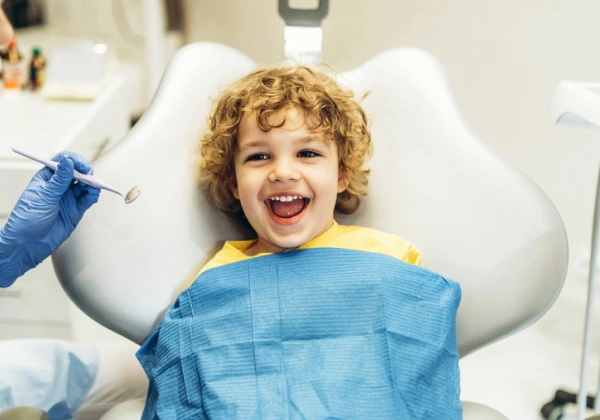
What is Sedation Dentistry?
Sedation dentistry allows children to receive necessary dental care while minimizing stress and fear. With sedation, patients experience:
- No memory of the treatment
- A sense that time passes quickly
- No awareness of noises, smells, or sensations
- Reduced anxiety before and during the appointment
Levels of Sedation
Sedation in pediatric dentistry is carefully monitored and follows strict safety guidelines. Depending on your child’s needs, your dentist may recommend one of the following levels:
Mild Sedation (Anxiolysis): This is best for children with mild anxiety or who require longer procedures. Typically given orally, this sedation helps your child feel relaxed while remaining awake or lightly drowsy. Recovery is usually quick. Another common option is nitrous oxide (laughing gas), which also promotes relaxation and wears off rapidly.
Moderate Sedation: This option is used for children with higher levels of anxiety or when a more complex treatment is required. Moderate sedation often involves light IV administration, allowing your child to remain conscious but deeply relaxed throughout the visit.
Deep Sedation: With this level, your child may drift between consciousness and unconsciousness and is unlikely to remember the procedure. Responses to verbal cues may be limited, but continuous monitoring ensures their safety at all times.
How Sedatives Are Given?
Inhalation: Nitrous oxide (laughing gas) is one of the most common forms of sedation for children. It helps ease anxiety, takes effect quickly, and wears off just as fast, so kids can return to their normal activities soon after.
Oral: With oral sedation, your child takes a prescribed medication about an hour before the appointment. By the time they arrive at the office, they’ll be calm and relaxed. This needle-free method is simple and effective for managing anxiety in young patients.
For more information on which sedation method is best for your child, please contact our sedation dentist in Gilbert at 855-637-9928 to schedule a consultation.
Frequently Asked Questions.
What should I do before the sedation appointment?
Follow pre-procedure instructions carefully. This usually includes fasting for a set period (often 6 hours for solids; clear liquids may be allowed up to 2–3 hours before). Dress your child in comfortable clothing and bring a comforting item like a favorite toy.
At what age is sedation dentistry safe for children?
Sedation can be safe for children as young as toddlers, depending on their health and the type of procedure. However, the method and dosage are always tailored to your child’s age, weight, and medical history.
How long does it take for sedation to wear off?
Recovery time depends on the type of sedation. Nitrous oxide (laughing gas) wears off within minutes, while oral or IV sedation can take a few hours. General anesthesia may take most of the day for full recovery.
What should I watch for at home after sedation?
Keep your child resting and hydrated. Expect some drowsiness, irritability, or mild nausea. Call the dentist immediately if your child experiences trouble breathing, persistent vomiting, or unusual behavior.
Can my child eat or drink after sedation?
It depends on the type of sedation. With nitrous oxide, your child can usually eat soon after. With stronger sedation, starting with water or clear liquids is best until nausea subsides, then slowly reintroducing soft foods.