
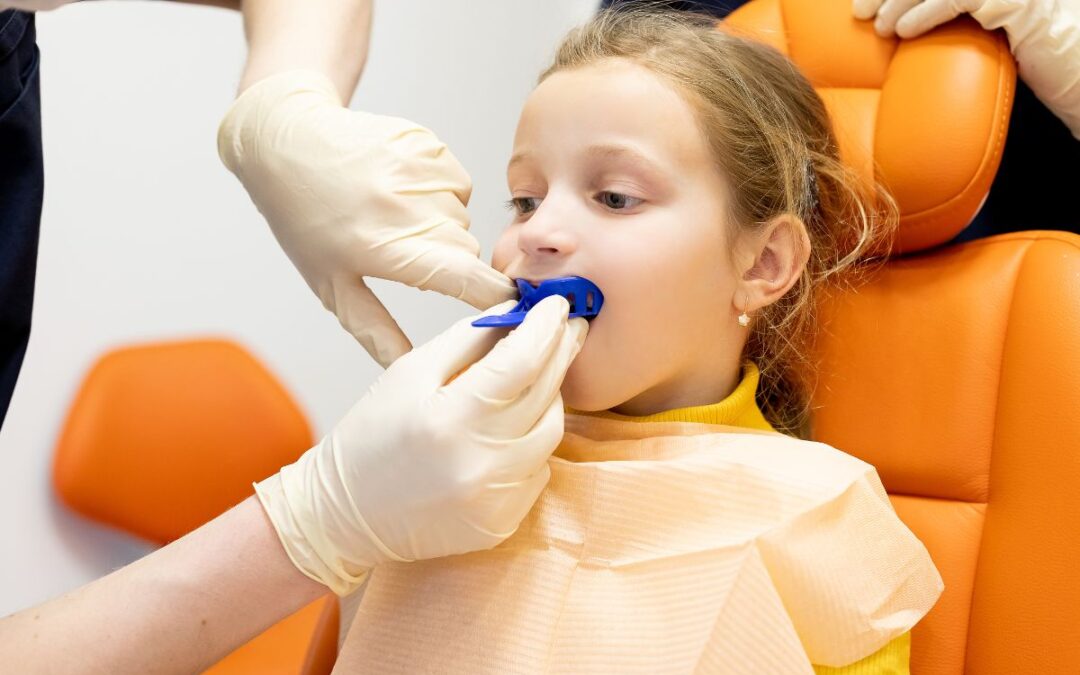
Dental visits can be stressful for children, especially if they feel nervous or anxious about treatment. Pediatric sedation dentistry can help young patients stay calm and comfortable, but many parents hesitate due to common misconceptions. Understanding the facts behind these myths allows families to make informed decisions and helps children receive the dental care they need without fear.
Myth 1: Sedation Dentistry Is Unsafe For Children
Safety is the top concern for most parents.
How Do Dentists Ensure Safety?
Pediatric sedation dentistry is carefully monitored and tailored to each child’s age, weight, and health. Dentists follow strict safety protocols and continuously monitor vital signs. Depending on the procedure, sedation methods may include nitrous oxide, oral medication, or IV sedation, ensuring a safe and comfortable experience.
Myth 2: Sedation Dentistry Puts Children To Sleep
Many parents assume sedation is equivalent to general anesthesia.
What Actually Happens During Sedation?
Most sedation options relax the child while keeping them awake and responsive. General anesthesia, which fully puts a patient to sleep, is only used for specialized cases. For routine treatments, children remain alert enough to respond but calm enough to avoid anxiety or discomfort.
Myth 3: Sedation Is Only For Major Procedures
Some believe sedation is reserved for surgeries or complex dental work.
Everyday Benefits Of Sedation Dentistry
Children who struggle with anxiety, difficulty sitting still, or multiple procedures in a single visit can benefit greatly from sedation. Even routine treatments like cavity fillings or cleanings become more manageable and less stressful, promoting a positive dental experience.
Myth 4: Sedation Dentistry Can Cause Long-Term Side Effects
Parents sometimes worry about the lasting effects on their child’s health.
What Parents Can Expect After Treatment?
The effects of sedation are temporary. Children may feel drowsy afterward, but this typically fades within hours. Dentists review each child’s medical history to choose the safest sedation method. When performed by trained professionals, pediatric sedation dentistry does not result in long-term side effects.
Myth 5: Sedation Dentistry Is Not Available For Young Children
There’s a misconception that only older children are eligible for sedation.
Why Younger Kids May Benefit Most?
Younger children, especially those with dental anxiety or early cavity treatment needs, can benefit significantly from sedation. At this stage, positive dental experiences help form lifelong healthy habits. Families seeking pediatric sedation dentistry in Gilbert can rely on specialized care tailored to the needs of children of all ages.
A Clearer Picture Of Sedation Dentistry
Understanding sedation helps parents see it as a safe, supportive tool rather than a risk. Reducing anxiety makes children more likely to cooperate during procedures and develop positive dental habits. Parents are encouraged to visit our dental office to discuss available sedation options and ensure their child’s experience is as comfortable and stress-free as possible.
Helping Children Feel Calm And Confident
Sedation dentistry should be seen as a way to ensure children receive essential dental care without fear. Parents can make informed choices that protect their child’s oral health by separating myths from facts. With professional care and a supportive approach, every child can have a calm, stress-free visit that fosters confidence and sets the foundation for a lifetime of healthy smiles.