
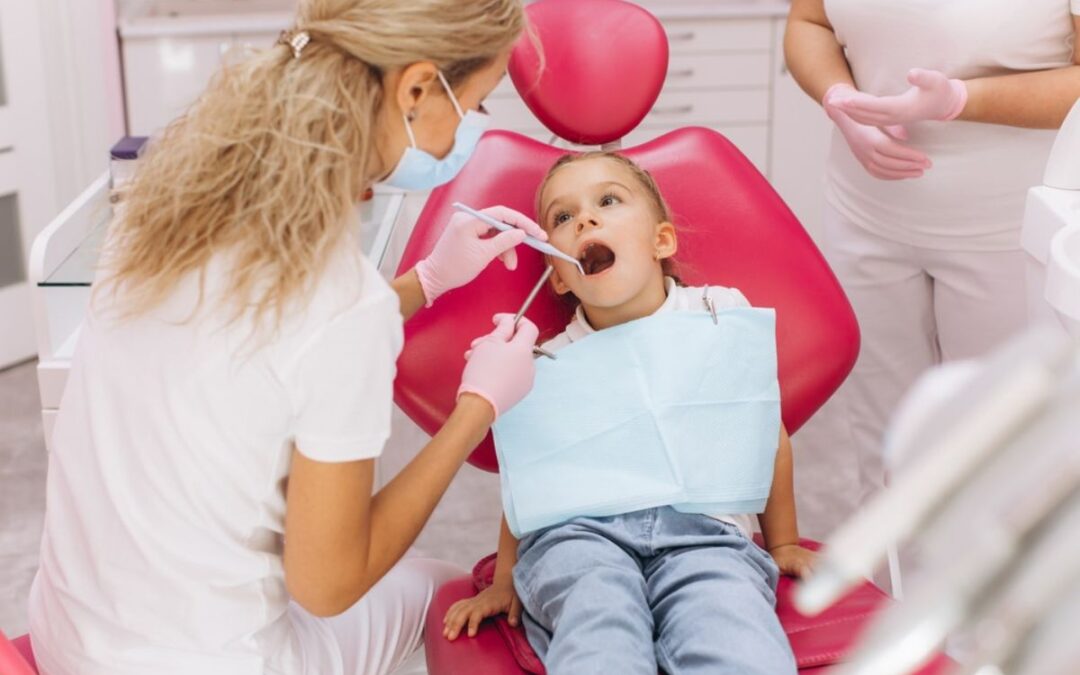
A healthy smile begins early. Teaching children proper oral hygiene from a young age sets the stage for strong teeth, healthy gums, and confident smiles that last a lifetime. Understanding the common dental problems kids may face—and knowing how to prevent them—helps parents take an active role in their child’s oral health. Early awareness and consistent dental visits can make all the difference in preventing long-term issues.
Why Pediatric Dental Health Matters?
Oral health plays a significant role in a child’s overall development. Beyond bright smiles, healthy teeth help children eat comfortably, speak clearly, and build self-confidence. Baby teeth also act as placeholders for adult teeth, guiding them into the correct position as children grow.
Creating daily oral care routines and scheduling regular dental check-ups for kids can prevent common problems before they begin. Establishing these habits early ensures children learn to take responsibility for their own dental care as they get older.
Most Common Pediatric Dental Issues
1. Tooth Decay (Cavities)
Cavities are one of the most frequent dental concerns among young children. They develop when bacteria in the mouth combine with sugar and produce acids that damage the enamel. Kids who snack frequently or neglect brushing are especially vulnerable.
How to prevent it:
- Encourage brushing twice a day with fluoride toothpaste.
- Floss daily to remove trapped food particles.
- Limit sugary snacks and drinks between meals.
- Schedule routine visits to a pediatric dentist near you in Gilbert for early detection and fluoride treatments.
With the right habits and professional care, cavities can often be avoided entirely.
2. Gum Disease (Gingivitis)
Even young children can develop gum inflammation when plaque builds up along the gum line. Early signs include redness, swelling, or bleeding during brushing. If left untreated, it can progress to more serious gum infections.
How to prevent it:
- Brush gently along the gums for two full minutes.
- Include crunchy fruits and vegetables in your child’s diet to help naturally clean teeth.
- Maintain consistent dental care for children through regular cleanings.
Professional cleanings remove plaque that daily brushing may miss, keeping gums healthy and strong.
3. Misalignment and Bite Problems
Crowding or bite misalignment can lead to discomfort, speech difficulties, or uneven wear on teeth. Causes can include genetics, thumb sucking, or extended pacifier use.
How to prevent it:
- Monitor your child’s teeth and jaw alignment as they grow.
- Consult a pediatric dentist if you notice crooked teeth or an uneven bite.
- Early orthodontic evaluation can help guide proper jaw development.
Timely dental visits make identifying and correcting alignment concerns easier before they become more complex.
4. Tooth Sensitivity
Children sometimes experience sharp or sudden discomfort when consuming hot, cold, or sweet foods. This can happen when enamel wears down or gums recede slightly, exposing sensitive areas of the tooth.
How to prevent it:
- Use a soft-bristle toothbrush and fluoride toothpaste.
- Avoid overly acidic foods and drinks.
- Ask your dentist about sealants or fluoride treatments to strengthen enamel.
Managing sensitivity early ensures children can enjoy their favorite foods without discomfort while supporting long-term children’s dental health.
5. Dental Trauma and Accidents
Falls, sports injuries, and playful roughhousing can occasionally lead to chipped or knocked-out teeth. While not all accidents can be prevented, preparation helps reduce risks and improve outcomes.
How to prevent it:
- Have your child wear a mouthguard during contact sports.
- Supervise playtime, especially for younger kids.
- Contact a pediatric dentist immediately for emergency care if a tooth injury occurs.
Prompt treatment can often save an injured tooth and protect the surrounding ones.
How to Prevent Pediatric Dental Issues
Prevention is the key to long-term oral health. Parents can help by establishing simple but effective routines:
- Brush and floss together to make it a shared activity.
- Choose water and milk over sugary beverages.
- Schedule a dental check-up for kids in Gilbert every six months.
- Consider fluoride varnish or dental sealants for extra protection.
Consistency and supervision go a long way toward maintaining excellent dental care for children at home.
When to Visit a Pediatric Dentist
It’s recommended that children see a dentist by their first birthday or within six months after the first tooth appears. Regular visits allow professionals to monitor growth, identify early signs of decay, and make preventive recommendations.
You should also book an appointment if your child complains of persistent pain, visible discoloration, or bleeding gums. Regular visits to a pediatric oral health professional to maintain oral health and help children feel comfortable and confident during their appointments.
Making Dental Care Fun for Kids
Turning oral care into a fun daily habit keeps children engaged. Use colorful toothbrushes, play a favorite song for the two-minute brushing rule, or use a reward chart to celebrate consistency. The goal is to make brushing and flossing something your child looks forward to rather than avoids. Building excitement around children’s dental health helps form lasting habits.
At Sun Valley Pediatric Dentistry in Gilbert, we provide gentle, comprehensive care in a fun and welcoming environment designed for kids. Whether it’s your child’s first dental visit or a routine check-up, our friendly team is here to help every step of the way.
Schedule your child’s next appointment at Gilbert, AZ
Call us at 855-637-9928 or visit our dental office in Gilbert, AZ to book a dental check-up and build a foundation for lifelong oral health.
Conclusion
Healthy habits, early care, and regular dental visits make it easy to prevent most pediatric dental issues. With the proper guidance and a supportive dental team, your child can enjoy a lifetime of strong, healthy teeth and confident smiles.
Frequently Asked Questions (FAQs)
1: What is the primary cause of cavities (tooth decay) in young children, and how can it be prevented?
Cavities develop when bacteria and sugar combine in the mouth to produce acids that damage tooth enamel. The best prevention methods are:
- Encouraging brushing twice a day with fluoride toothpaste.
- Flossing daily to remove trapped food.
- Limiting sugary snacks and drinks between meals.
2: How can parents prevent gum disease (Gingivitis) in their children?
Gingivitis, or gum inflammation, is caused by plaque buildup along the gum line. To prevent it, encourage children to brush gently along the gums for two full minutes and include crunchy fruits and vegetables in their diet to help naturally clean their teeth. Consistent professional cleanings are also necessary to remove plaque that regular brushing misses.
3: What habits can cause misaligned teeth or bite problems in children?
While genetics can play a role, habits such as thumb sucking or extended pacifier use can also cause misaligned teeth or bite problems. Consulting a pediatric dentist for an early orthodontic evaluation can help guide proper jaw development.
4: What are the two best ways to protect children from dental trauma during active play?
To reduce the risk of chipped or knocked-out teeth:
- Have your child wear a protective mouthguard during contact sports and active play.
- Supervise playtime, especially for younger children. If an injury does occur, contact a pediatric dentist immediately for emergency care.
5: What are two simple ways parents can make the daily oral care routine more fun for their kids?
Parents can make the routine enjoyable by:
- Brushing and flossing together as a fun, shared family activity.
- Using colorful toothbrushes or playing a favorite two-minute song to make brushing less of a chore and more of a game.