
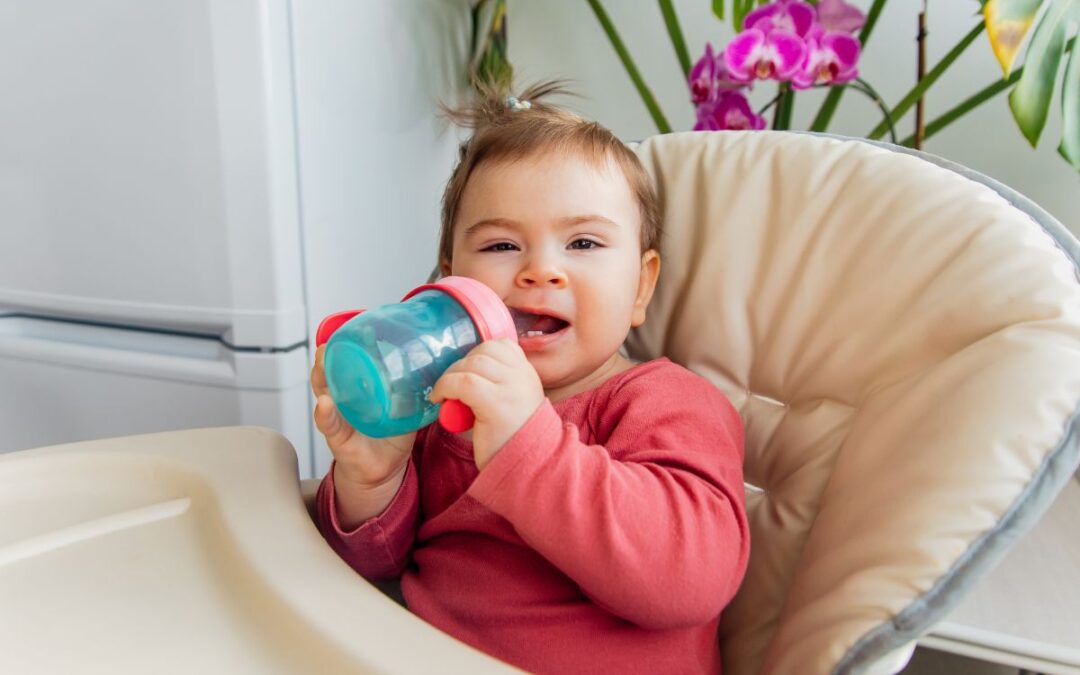
When it comes to taking care of your little one’s oral health, it’s essential to understand how seemingly harmless habits, like using baby bottles and sippy cups, can affect their teeth. Many parents are unaware that these daily habits can lead to dental problems as their children grow. With the proper knowledge and care, you can ensure that your child’s teeth develop properly and healthily.
The Impact Of Bottles And Cups On Developing Teeth
From the moment your baby starts using a bottle or sippy cup, it’s crucial to monitor how long they’re using it and how often. Baby bottles, especially when filled with sugary liquids like juice or milk, can contribute to the development of cavities. Sippy cups, while great for helping little ones transition to drinking independently, can also cause issues when misused.
One of the most common oral concerns associated with prolonged bottle or cup use is baby bottle tooth decay. This condition occurs when little ones fall asleep with a bottle in their mouth, especially if it contains milk, juice, or sugary drinks. The sugars in these liquids stay in contact with the teeth for extended periods. As a result, it leads to enamel decay and causes cavities in primary teeth. The result? Discomfort, poor oral health, and potential damage to adult teeth as they come in.
How Prolonged Use Can Lead To Misalignment And Other Problems?
Another issue is misalignment of teeth. Sippy cups can encourage prolonged sucking, which may lead to changes in the way the teeth come in. This can contribute to improper positioning of the permanent teeth as your little one grows. Over time, frequent bottle or cup use, especially when it’s used as a pacifier substitute, can result in open bite, crossbite, or other alignment issues.
To prevent such problems, it’s important to wean your little one off the bottle and introduce drinking from an open cup at an early age. By the time your child turns one, you should aim to wean them from the bottle gradually. This makes it easier for them to transition to drinking from a cup. This change can help protect their developing teeth and ensure that they grow in straight and strong.
Maintaining Healthy Teeth During This Developmental Stage
- Brush Gums Before Teeth Emerge: Start cleaning your baby’s gums even before their first tooth comes in. Use a soft cloth or special infant toothbrush to gently wipe their gums after feedings.
- Brush As Soon As Teeth Appear: Once the first tooth erupts, begin brushing it with a small, soft toothbrush and a smear of fluoride toothpaste. This will help maintain their oral hygiene and prevent early tooth decay.
- Regular Dentist Visits: Schedule your child’s first visit to the pediatric dentist in Gilbert, AZ when their first tooth appears or by their first birthday. Early visits can prevent future dental problems and ensure their teeth develop correctly.
A Proactive Approach For Your Little One’s Smile For The Future
By being proactive in eliminating baby bottle use and promoting good oral hygiene, you can help prevent long-term dental issues for your little one. If you’re concerned about any existing problems or need guidance on establishing the best oral care habits, make a quick consultation with our pediatric dentist. Our team will provide personalized advice and address all of your questions.
You can also visit our dental office in Gilbert for a routine check-up for your toddler. Regular visits help ease dental anxiety, and our professionals will guide you in creating an effective oral care routine, ensuring your kid’s smile remains healthy and beautiful as they grow.
Frequently Asked Questions (FAQs)
- Can a sippy cup cause cavities if it mainly contains milk or juice instead of water?
Yes, when a child sips milk or juice throughout the day or at bedtime, sugar can linger on the teeth. This prolonged exposure gives cavity-causing bacteria more time to produce enamel-eroding acids. - When is the best time to stop using bottles or sippy cups to protect oral health?
Ideally by around 12–18 months, when baby teeth begin to appear regularly. Prolonged use beyond that increases the risk of decay and can negatively affect jaw development. - Are there long-term risks beyond cavities from extended sippy cup use?
Yes, extended use can interfere with normal jaw growth and contribute to bite problems or misaligned teeth later on. Prolonged use can also affect speech development and proper oral function. - Does switching to water in the sippy cup significantly reduce dental risk?
Absolutely, water does not feed harmful bacteria, so it helps neutralize acids and reduce enamel wear. Offering water between meals also prevents harmful sugars from lingering on teeth. - How often should oral hygiene start for infants who have once used bottles or sippy cups?
Start wiping gums even before the first tooth emerges, and once teeth appear, brush twice daily with appropriate fluoride toothpaste. Early care helps prevent early decay and sets the foundation for lasting oral health.