
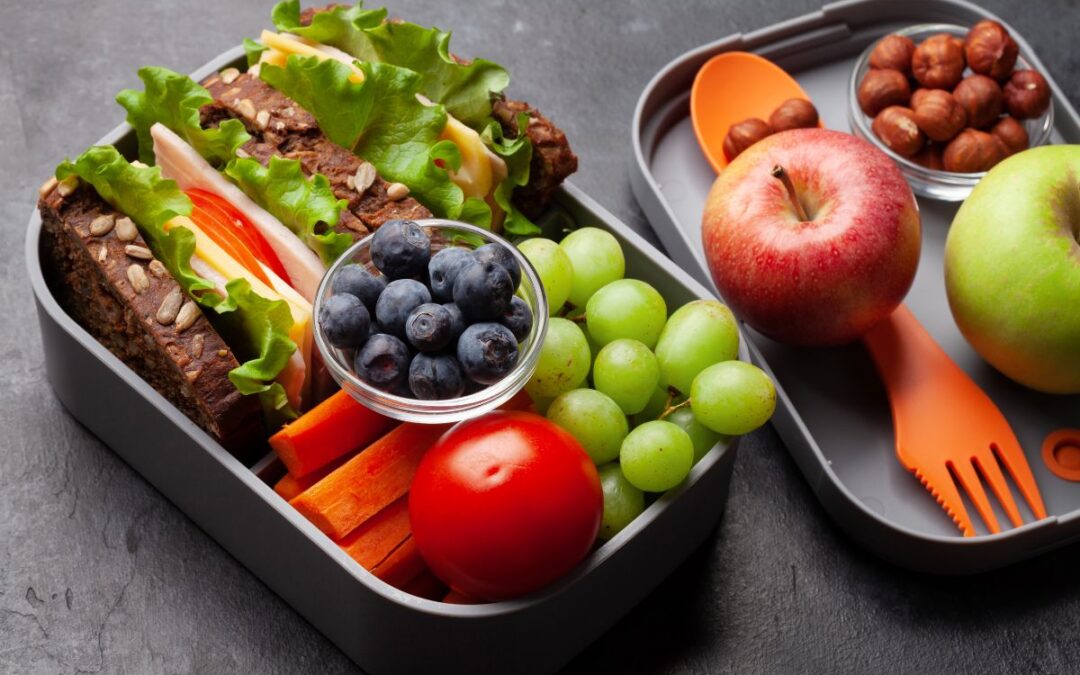
Every parent wants their child to have a healthy smile. But did you know that what your child eats every day plays a huge role in keeping their teeth strong? From school snacks to weekend treats at the many parks and family spots around Gilbert, the food choices you make for your kids directly impact their oral health.
At Sun Valley Pediatric Dentistry – Gilbert, we see this connection every day. Dr. Seare and the team work with families to help parents understand how simple diet changes can make a big difference in preventing cavities and keeping young smiles healthy for life.
Why What Your Child Eats Matters for Their Teeth
Most parents focus on brushing and flossing, and that is important. But the foods and drinks your child consumes throughout the day are just as critical. Every time your child eats, bacteria in the mouth break down sugars and release acids. These acids attack the tooth enamel- the hard outer layer that protects teeth. When this happens repeatedly, the enamel weakens and cavities form.
A diet rich in the right nutrients helps build strong enamel from the inside out. Calcium, phosphorus, and vitamin D are key minerals that keep teeth hard and resistant to decay. On the flip side, frequent snacking on sugary foods or drinking acidic beverages gives bacteria a constant fuel supply, and that means more damage over time.
This is why pediatric dentistry places so much emphasis on nutrition as part of overall oral care. It is not just about the dentist’s chair; it starts at your kitchen table.
Foods That Are Good for Your Child’s Teeth
Dairy Products and Calcium-Rich Foods
Milk, cheese, and yogurt are among the most tooth-friendly foods a child can eat. Calcium and phosphorus found in these foods help strengthen and remineralize tooth enamel. Cheese, in particular, helps neutralize acids in the mouth after meals.
If your child is lactose intolerant, calcium-fortified plant milks like almond or oat milk are solid alternatives.
Crunchy Fruits and Vegetables
Apples, carrots, celery, and cucumbers work like natural toothbrushes. Their crunchy texture helps scrub the surface of teeth and stimulates saliva production. Saliva is the body’s natural defense; it rinses away food particles and neutralizes the acids that cause decay.
Packing carrot sticks or apple slices for your child’s school lunch or outdoor snacks is a simple win for their teeth.
Leafy Greens
Spinach, kale, and broccoli are loaded with calcium and vitamins that support healthy gums and strong teeth. These are easy to work into meals, toss them into smoothies, pasta dishes, or stir-fries.
Nuts and Seeds
Almonds, walnuts, and sesame seeds contain minerals like magnesium and zinc that support oral health. They are also low in sugar, which means they do not feed cavity-causing bacteria.
Water — The Best Drink for Young Teeth
In Gilbert, where summer temperatures regularly push above 100°F, hydration is especially important. Water is the single best drink for your child’s teeth. It washes away food debris, helps maintain saliva levels, and, if fluoridated, helps strengthen enamel directly.
Encourage your child to drink water throughout the day, especially after meals and snacks. Swap out juice boxes and sports drinks for a refillable water bottle.
Foods and Drinks to Avoid (or Limit)
Knowing what to limit is just as important as knowing what to add. Here are the main foods that put your child’s teeth at risk:
- Sugary candies and gummies- These stick to teeth and provide a constant sugar source for bacteria. Hard candies are especially harmful because they stay in the mouth for a long time.
- Fruit juice and sports drinks- Even “natural” fruit juice is loaded with sugar and acid. A glass or two a day is fine, but sipping these all day long is damaging to enamel.
- Soda and carbonated drinks– The combination of sugar and carbonic acid erodes enamel quickly. Diet sodas are acidic too, so they are not a safe swap.
- Sticky dried fruits- Raisins, fruit snacks, and dried mango cling to teeth and are hard to brush away. Fresh fruit is always a better option.
- Starchy, processed snacks- Crackers, chips, and white bread break down into simple sugars in the mouth. They get stuck in the crevices between teeth and between the gum line, where bacteria thrive.
The key is not total elimination; it is smart timing and frequency. Eating these foods as part of a balanced meal is less damaging than snacking on them continuously throughout the day.
Healthy Snack Ideas for Gilbert Kids
Gilbert families are active- enjoying youth sports, hiking at San Tan Mountain Regional Park, weekend events at Cosmo Dog Park, and kids need fuel. Here are some easy snack swaps that are better for growing teeth:
- Instead of fruit snacks: Try fresh grapes, apple slices, or orange segments
- Instead of crackers and chips: Try string cheese with cucumber rounds
- Instead of juice boxes: Pack a water bottle or low-fat milk
- Instead of candy: Try plain yogurt with berries
- Instead of granola bars with added sugar: Try a small handful of mixed nuts and dried unsweetened coconut
These are not just healthier for teeth; they support better energy levels and overall development too.
How Often Should Kids See a Pediatric Dentist?
Even with the best diet, regular professional care is essential. A pediatric dentist can catch early signs of decay that parents often miss. The American Academy of Pediatric Dentistry recommends that children visit a dental practitioner every six months starting from their first birthday or when their first tooth comes in.
Routine dental care includes professional cleaning, fluoride treatments, dental sealants, and oral health education, all of which work together with good at-home nutrition to protect your child’s smile. Pediatric dental appointments are also a great opportunity for parents to ask questions about nutrition and habits specific to their child’s needs.
If you are searching for a children’s dentist in Gilbert who takes a whole-child approach to care, regular check-ups are the foundation of that relationship. Consistent visits help create a positive experience for kids and give the dental team a chance to monitor how teeth are developing over time.
What Happens When Diet Is Ignored
Tooth decay is the most common chronic childhood disease in the United States, more common than asthma. Left untreated, cavities in baby teeth can lead to pain, infection, and difficulty eating or speaking. Early decay can also affect how permanent teeth grow in.
Dental treatment for advanced decay in children can be stressful for both parents and kids. That is why preventive care, starting with diet, is so much more effective than reactive dental treatment. When a children’s dentist in Gilbert teams up with parents early on to build healthy nutrition habits, it dramatically reduces the need for complex dental treatment down the road.
If you want to learn more about supporting your child’s oral health at home, our team is here to help. Visit our dental office in Gilbert for personalized guidance tailored to your child’s specific needs, age, and eating habits. We love working with families across the Gilbert area and neighboring communities like Chandler, Mesa, and Queen Creek.
A Healthy Diet Is Part of a Healthy Smile
Good oral health does not start and end at the dentist’s office; it starts at home with the food choices you make every day. By choosing tooth-friendly foods, limiting sugary snacks and drinks, staying hydrated, and keeping up with regular professional care, you give your child the foundation for a lifetime of healthy smiles.
At Sun Valley Pediatric Dentistry – Gilbert, Dr. Seare and the team are passionate about helping families in the Gilbert area raise healthy, happy kids. We invite you to explore the services we offer for children of all ages and take the first step toward better oral health today.
Book an appointment with us, and let us partner with you to keep your child’s smile bright.
Frequently Asked Questions
Q: At what age should I start thinking about my child’s diet and dental health?
Dental health begins before the first tooth even comes in. What a baby eats and drinks, including breast milk and formula, can affect oral health. Once teeth appear, diet becomes especially important. Reach out to a dental office to get age-specific guidance.
Q: Is fruit bad for my child’s teeth?
Whole, fresh fruit is generally fine in moderation. It contains natural sugars, as well as fiber, water, and vitamins that support overall health. The problem is fruit juices and dried fruits, which concentrate the sugars without the fiber. Rinsing with water after eating fruit helps reduce any acid exposure.
Q: How much sugar is too much for a child’s teeth?
There is no set number, but frequency matters more than total amount. Eating one sweet treat at mealtime is far less harmful than snacking on sugary foods throughout the day. Every sugar exposure gives bacteria a chance to produce enamel-attacking acids. A pediatric dentist can help you set realistic limits for your child.
Q: Can drinking water really protect my child’s teeth?
Yes. Water is one of the most effective tools for maintaining oral health. It rinses away food particles, promotes saliva production, and when fluoridated, actively strengthens enamel. Replacing sugary drinks with water is one of the single most impactful changes you can make.
Q: Are baby teeth really that important?
They fall out anyway. Absolutely. Baby teeth hold space for permanent teeth and play a critical role in speech development, chewing, and jaw structure. Decay in baby teeth can spread to surrounding teeth and affect how adult teeth come in. Caring for baby teeth through good nutrition and pediatric dentistry visits sets the stage for a lifetime of healthy oral health.