
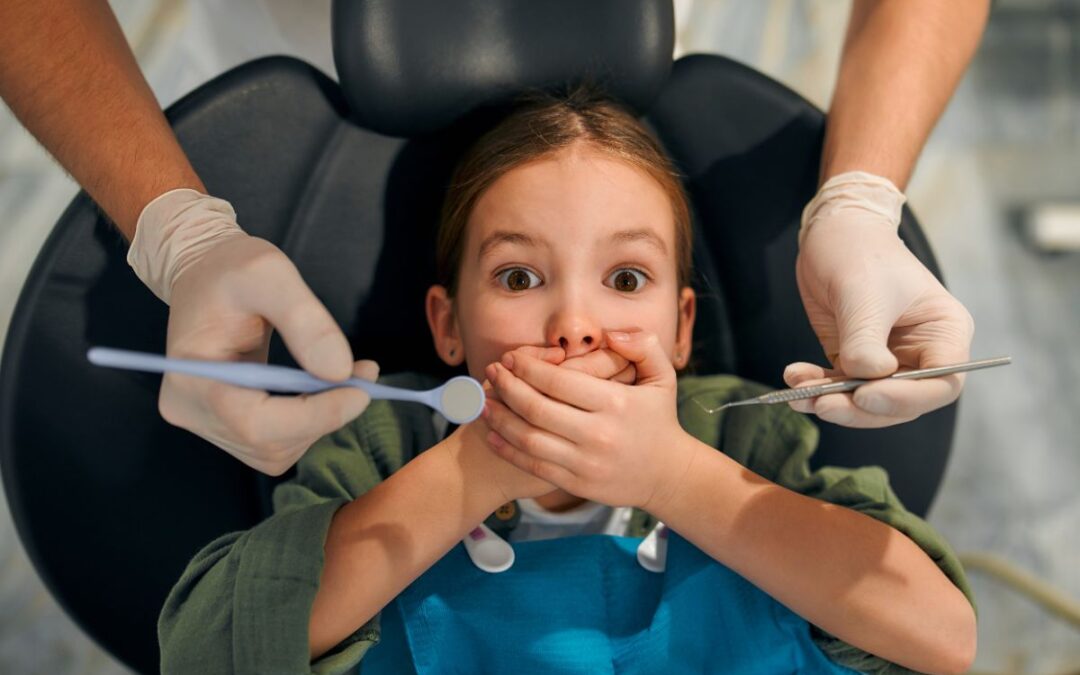
Dental visits can be overwhelming for children, especially when they are unfamiliar with the environment or have had a negative experience. Dental anxiety in children is more common than many parents realise, and without the proper support, it can lead to long-term fear and avoidance of dental care. Fortunately, effective psychological strategies and compassionate dental practices can help ease this anxiety and support your child’s well-being at every step.
Why Do Children Fear the Dentist?
For many children, fear of the dentist stems from unfamiliar sounds, sights, and sensations. Tools that look intimidating, the sound of a drill, or even the smell of a dental office can cause discomfort. Additionally, hearing scary stories from siblings or peers, or experiencing pain during past visits, can deepen their fears.
Some children also have heightened sensory sensitivities or difficulty being separated from their parents, which adds to their discomfort. Understanding these factors helps dental professionals and parents create a more comforting experience.
How Psychological Techniques Can Help Ease Anxiety
Psychological methods are widely used in pediatric dentistry to help children feel secure, prepared, and more in control during their appointments.
Gradual Exposure and Desensitisation
This strategy involves slow and controlled introductions to the dental office. Kids might start by visiting the waiting area or sitting in the dentist’s chair without treatment. Over time, they grow more familiar with the environment and less fearful of procedures.
Modelling and Positive Reinforcement
Watching a sibling or parent calmly go through a dental visit helps reduce anxiety through imitation. Pediatric dentists often reward cooperation and bravery with verbal praise or small treats, helping the children feel proud of their behaviour.
Tell-Show-Do: Building Trust Through Communication
This popular method involves telling the child what will happen, showing the tool or action in a non-threatening way, and then performing the task. It reduces fear by building trust and eliminating the unknown.
Calming Techniques and Distractions
Breathing exercises, counting games, or calming music can distract a child and reduce tension. These techniques are often combined with a warm and playful approach to create a sense of comfort and engagement during the visit.
Benefits of Seeing a Kids Dentist in Mesa
When your child visits a kids dentist in Mesa, they receive care focused on oral health and emotional well-being. Pediatric dentists are trained in dentistry and child psychology, allowing them to offer gentle, age-appropriate care in a friendly environment.
Their offices are designed with children in mind—bright colours, playful elements, and kind staff who know how to connect with young patients. With the proper support, children can form positive associations with dental care that last into adulthood.
If you’re searching for supportive dental care for your child, we encourage you to visit our dental office and see how a pediatric approach can make a difference.
Supporting Your Child’s Confidence at Home
Parents have a decisive role in shaping their child’s attitude toward dental care. Encouragement, calm communication, and routine all contribute to a smoother experience.
Choose Positive Language
Avoid using words like “hurt,” “shot,” or “drill.” Instead, use simple explanations like “the dentist is going to count your teeth” or “we’re helping your teeth stay strong.”
Introduce Books and Routines
Reading children’s books about dental visits or watching age-appropriate videos can prepare your child for what to expect. Brushing and flossing daily reinforces healthy habits and creates familiarity with dental care tools.
Building a Foundation for Lifelong Dental Health
Dental anxiety doesn’t have to define your child’s relationship with oral health. Through psychological strategies and the support of a compassionate dental team, children can overcome fear and feel empowered at the dentist. Working with an experienced kids dentist in Mesa helps set your child on a path of comfort, confidence, and long-term dental wellness.