
When parents think about dental health, permanent teeth often get the most attention. However, baby teeth, also called primary teeth, are crucial in a child’s overall development. These small teeth are not just temporary placeholders—they influence speech, nutrition, and the alignment of future adult teeth. Prioritizing early dental care helps children establish healthy habits that last a lifetime.
Why Baby Teeth Are Essential?
Baby teeth begin erupting around six months of age and usually remain until early adolescence. They guide permanent teeth into their correct positions and maintain proper spacing in the jaw. If a baby tooth is lost too early due to decay or trauma, neighboring teeth may shift, leading to alignment issues. This can create challenges when the permanent teeth finally erupt, often requiring orthodontic treatment later.
Beyond alignment, baby teeth also impact how children chew and speak. Proper chewing aids digestion, while clear speech development relies heavily on intact front teeth. Early dental issues can affect a child’s ability to eat comfortably and communicate effectively, influencing physical and social growth.
Building Healthy Habits from the Start
Introducing dental care early allows children to develop natural and stress-free routines. Parents can start by gently cleaning gums with a soft cloth before teeth appear, then transitioning to a small toothbrush once the first tooth emerges. These simple habits and regular checkups set the stage for lifelong oral health.
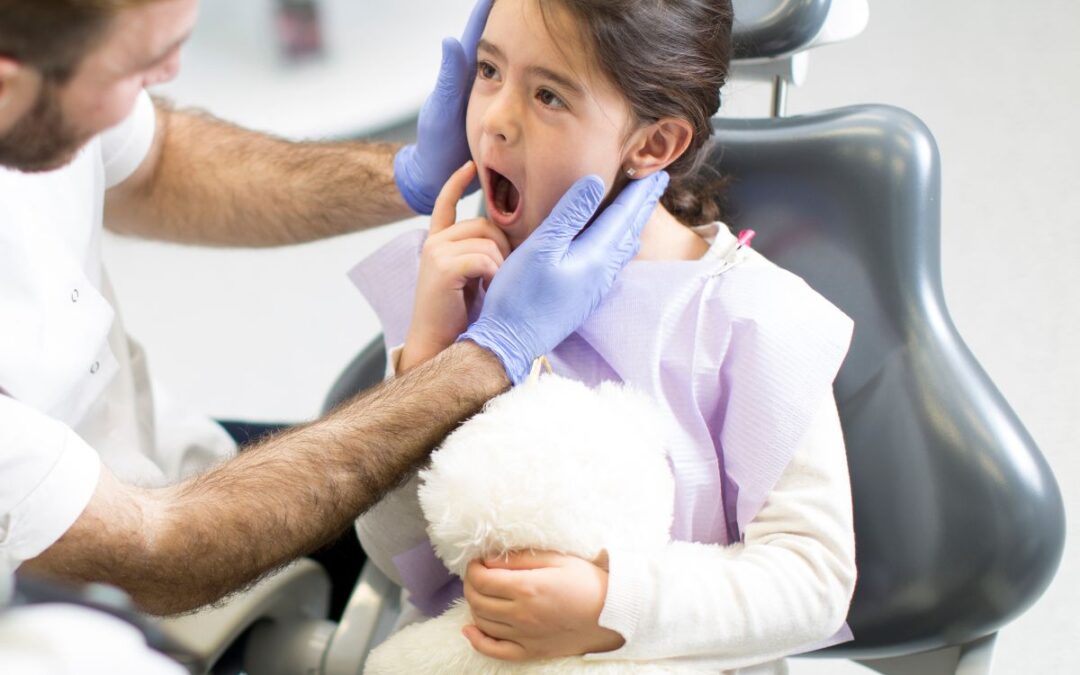
During these early visits, families benefit from the guidance of professionals such as a children’s dentist in Gilbert. Pediatric dentists treat dental issues and focus on prevention, education, and creating a welcoming environment where children feel comfortable. This makes dental visits less intimidating and encourages kids to view oral care positively.
Common Concerns with Baby Teeth
Tooth Decay and Cavities
Tooth decay can begin as soon as teeth erupt, especially if a child frequently consumes sugary snacks or drinks. If left untreated, early cavities can spread quickly, causing pain and potential infections.
Thumb Sucking and Pacifier Use
While common in early years, prolonged thumb sucking or pacifier use may lead to misalignment. A pediatric dentist can recommend strategies to help children break these habits gently.
Injuries and Accidents
Active play often results in bumps and falls. Baby teeth are susceptible to fractures or trauma, and immediate dental attention ensures the best outcome for long-term health.
Creating a Positive Dental Experience
Early dental visits do more than check teeth—they build familiarity and comfort. Children who meet their dentist early develop trust and confidence, making future appointments easier. Parents can help by speaking positively about dental care, avoiding language that may create fear, and rewarding good oral hygiene at home.
We encourage you to visit our dental office if you want a supportive environment where your child can thrive. Building positive experiences in childhood helps reduce anxiety and creates lasting confidence in oral health routines.
Give Your Child’s Smile the Best Start
Baby teeth may be temporary, but their importance is lasting. They influence nutrition, speech, and the alignment of adult teeth while setting the foundation for healthy habits. Regular care, early checkups, and a strong partnership with a pediatric dental team are the keys to giving children the best start possible.