
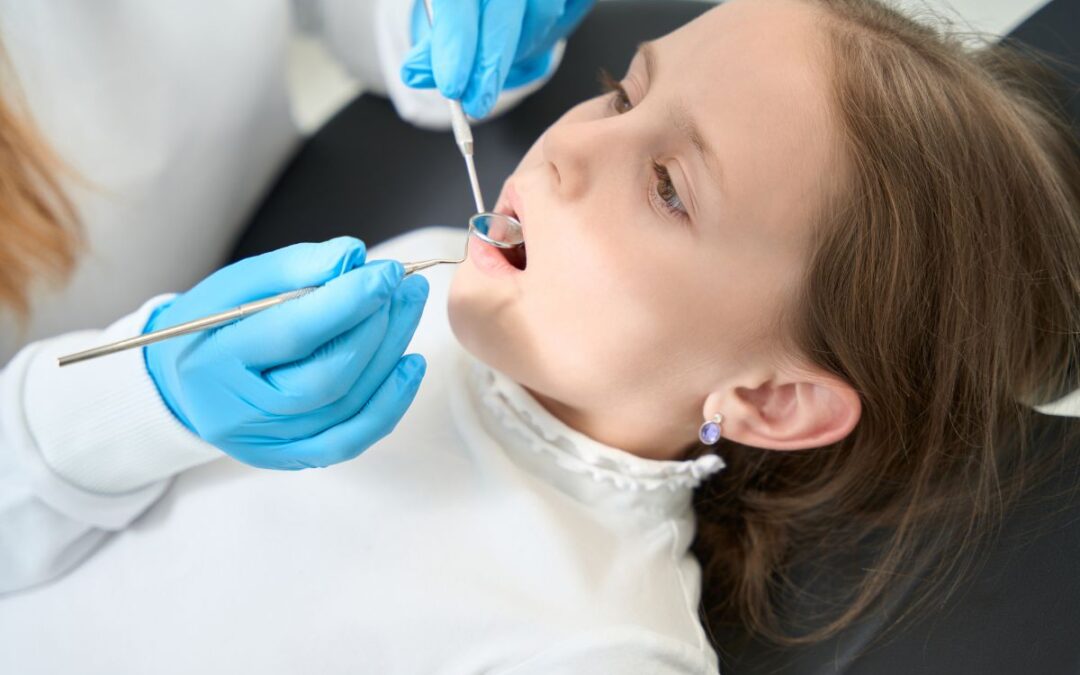
When it comes to children’s dental care, many parents assume that baby teeth aren’t all that important—after all, they fall out eventually. But the truth is, those tiny teeth play a vital role in your child’s overall oral development and long-term dental health. Understanding the connection between baby teeth and future oral health can help parents take the proper steps to ensure their children enjoy healthy smiles well into adulthood.
Why Baby Teeth Matter?
Baby teeth, also known as primary teeth, appear around six months of age and are typically all present by age three. While they’re only temporary, these teeth serve several essential functions. They allow your child to chew food correctly, help in speech development, and maintain the necessary space for permanent teeth to erupt correctly.
Neglecting baby teeth can lead to cavities, infections, and even premature loss, all of which can have long-lasting effects. Infected or missing baby teeth can cause misalignment of adult teeth, difficulties in speaking or eating, and even lower self-esteem in children due to discomfort or appearance-related issues.
Early Habits Shape Long-Term Health
Children learn oral hygiene habits from a young age, often by watching their parents or caregivers. Teaching them to brush and floss regularly sets the foundation for lifelong dental routines. Routine visits to a dental professional also create a sense of comfort and trust in clinical settings, reducing dental anxiety as they age.
Around this stage, parents often seek the expertise of a pediatric dentist in Gilbert, AZ, specializing in the oral health needs of infants, children, and adolescents. A pediatric dentist can assess development, spot early warning signs of oral health concerns, and provide tailored advice based on a child’s needs.
How Neglecting Baby Teeth Can Affect Permanent Teeth?
When baby teeth develop cavities or fall out too early, it can disrupt the spacing and alignment for the adult teeth coming in. Without the natural placeholders, surrounding teeth may shift, leading to crowding or crooked growth. This can result in more complex treatments like braces or retainers in the future.
Moreover, untreated decay in baby teeth can spread to the underlying permanent teeth. If not addressed early, pediatric dental infections may compromise the enamel of incoming adult teeth, increasing the risk of early decay in permanent teeth.
The Role of Preventive Dental Visits
Dental experts recommend that a child’s first dental visit occur by their first birthday or when the first tooth appears. Regular checkups every six months allow for professional cleaning, fluoride treatments, and early detection of potential issues.
If you’re in the East Valley, a pediatric dentist Gilbert AZ can offer specialized services to ensure your child receives comprehensive care tailored to their developmental stage. From cavity prevention to behavior management, these professionals understand how to keep children’s teeth healthy while making the experience enjoyable.
Visiting a pediatric dentist also allows parents to ask questions and receive guidance on proper brushing techniques, diet recommendations, and handling common issues like thumb-sucking or teething pain.
Creating a Lifelong Smile Starts Early
The importance of baby teeth goes far beyond their temporary function. They lay the groundwork for how your child’s permanent teeth will grow and how confident they feel in their smiles. Investing in your child’s oral health today is a gift that pays off for a lifetime.
If you’re ready to take that first step toward proactive dental care, visit our dental office to learn more about how we can support your child’s oral development. Establishing good habits and seeking the proper care early on can make all the difference in your child’s dental journey.