
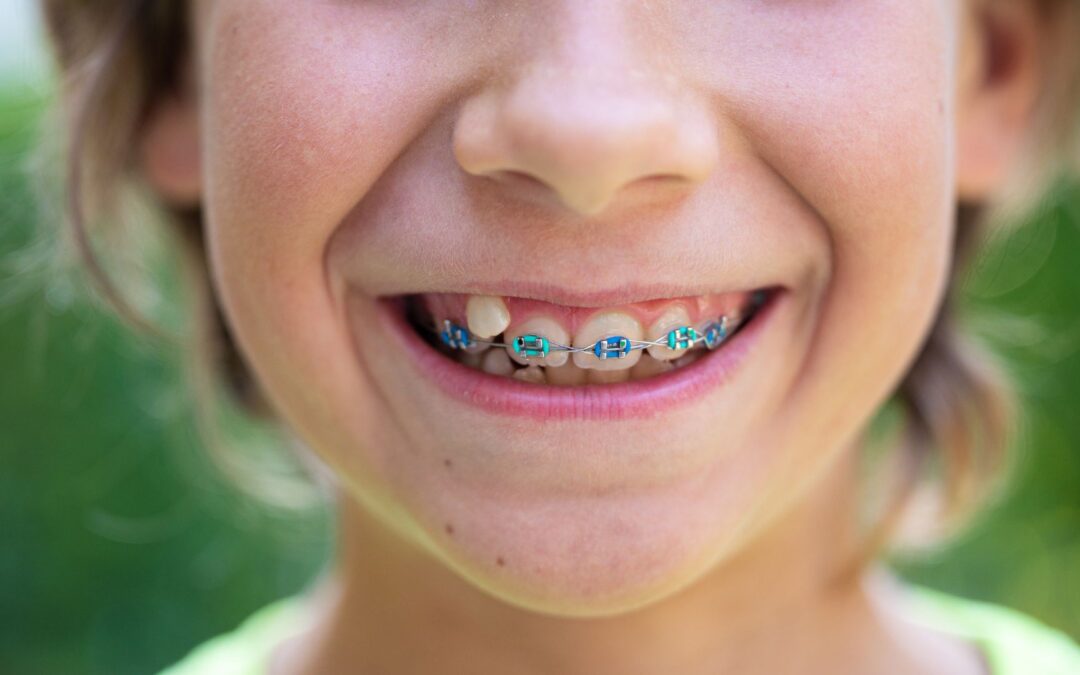
As a parent, ensuring your child has a healthy, confident smile is a top priority. For many kids, braces are a part of that journey. Pediatric braces not only help straighten teeth but also correct bite issues and other oral health concerns. A common question parents ask is: “How long will my child need to wear braces?” This timeline varies depending on several factors, and understanding these can help you and your child navigate the process smoothly.
In this blog, we’ll explore the typical duration for wearing braces, what factors influence this timeline, and how to make the experience as efficient and comfortable as possible with the help of your pediatric dentist.
What Is the Typical Duration for Wearing Braces?
The average treatment time for braces typically ranges from 18 months to 3 years. However, each child’s needs are unique, and the timeline may be shorter or longer depending on several factors, including the complexity of their dental issues, how well they follow their dentist’s instructions, and the type of braces used.
While this may seem like a long time, the process of aligning teeth and correcting bites is gradual to ensure the best results. Your pediatric dentist will create a customized treatment plan based on your child’s specific needs, guiding you on what to expect throughout the journey.
Factors That Affect How Long Your Child Will Wear Braces
-
Age and Growth Stage
One key factor that affects the length of time your child will need to wear braces is their age and stage of growth. Pediatric braces work best when a child’s jaw is still developing, usually between the ages of 8 and 14. Early intervention by a kids dentist can prevent more serious problems in the future, which might shorten the overall treatment time.
That said, younger children may require two phases of orthodontic treatment—one during early childhood and another in their teenage years. While this might sound lengthy, addressing issues early can actually reduce the time spent in braces later on.
-
Severity of the Dental Problem
The complexity of your child’s dental or orthodontic issues plays a significant role in determining how long they’ll need braces. Children with minor crowding or spacing might wear braces for a shorter period, while those with more severe issues like overbites, underbites, or crossbites will likely need more time. Your pediatric dentist will evaluate the condition of your child’s teeth and jaw and provide a realistic estimate of the treatment timeline.
-
Type of Braces
The type of braces your child uses can also impact the duration of treatment. Traditional metal braces, ceramic braces, and clear aligners (like Invisalign) all have different treatment times. For instance, traditional metal braces are typically the fastest option for children with more complicated issues, as they apply more consistent pressure.
Clear aligners, while more aesthetically pleasing and comfortable, may take a bit longer because they rely on the patient consistently wearing the trays for 22 hours a day. If your child isn’t diligent about this, it could extend the time needed for their treatment.
-
Compliance with Treatment
Your child’s cooperation is crucial to the success and speed of their orthodontic treatment. Wearing rubber bands (elastics) as prescribed, avoiding foods that could damage the braces, and attending regular check-ups with their childrens dentist all contribute to the effectiveness and length of treatment. Kids who follow their dentist’s instructions closely tend to finish their treatment faster than those who don’t.
Tips to Help Shorten Braces Time
While some factors influencing the length of braces treatment are beyond control, others depend on your child’s actions and habits. Here are a few tips to help minimize the time they need to wear braces:
- Follow the dentist’s instructions: Make sure your child wears any additional orthodontic gear, like elastics, as directed by their pediatric dentist.
- Practice good oral hygiene: Poor oral hygiene can lead to issues like cavities, which may delay treatment. Encourage your child to brush and floss carefully around their braces.
- Attend regular appointments: Regular check-ups with the children’s dentist ensure that the braces are working properly and adjustments are made when needed.
- Avoid damaging foods: Hard or sticky foods can damage braces, resulting in emergency visits to the dentist and possible delays in treatment.
Braces are an investment in your child’s future smile, but it’s natural to wonder how long the process will take. On average, children wear braces for 18 months to 3 years, but the timeline depends on factors like age, severity of dental issues, type of braces, and your child’s adherence to their treatment plan.
By working closely with your pediatric dentist and following their guidance, you can help ensure that your child’s orthodontic treatment goes as smoothly—and quickly—as possible. In the end, the reward of a healthy, beautiful smile will make the journey well worth it.