
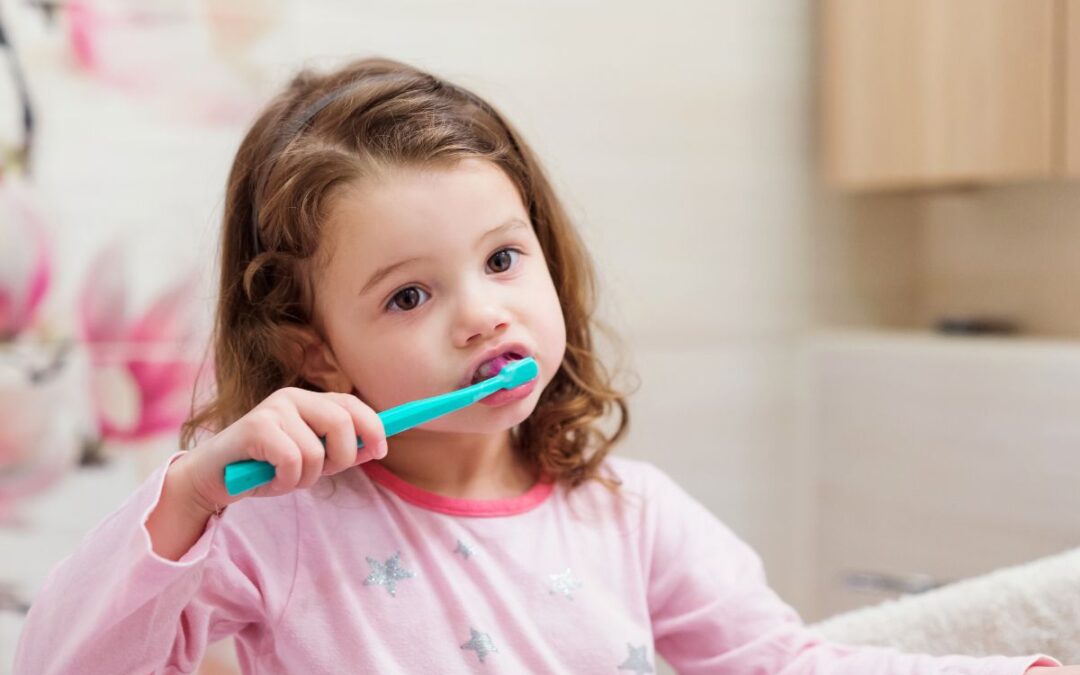
Maintaining oral wellness during the early years sets the foundation for a lifetime of confident smiles. Strong dental habits developed at home and professional care can help protect teeth from decay, strengthen enamel, and encourage overall well-being. Parents play the most vital role in ensuring that their young ones grow up valuing healthy routines and preventive dental visits.
1. Make Brushing And Flossing A Fun Daily Habit
Young ones learn best when an activity feels enjoyable. Choose a soft-bristled toothbrush with their favorite color or cartoon character. Play a two-minute song during brushing or use a timer app to ensure they brush long enough. Consistent brushing and flossing remove plaque buildup and prevent tooth decay in kids, keeping their smiles bright. Encourage twice-daily brushing using fluoride toothpaste in a pea-sized amount.
2. Encourage Healthy Eating Habits
Balanced nutrition is essential for developing strong teeth and gums. Offer snacks rich in calcium and phosphorus, like cheese, yogurt, or leafy greens, and limit sugary treats that cause cavities. Replace soda and juices with water or milk to strengthen enamel and wash away bacteria. Teaching kids to make smart food choices promotes cavity prevention in tiny tots and supports their overall growth and immunity.
3. Schedule Regular Dental Visits
Routine dental visits are essential for detecting early signs of gum inflammation, enamel wear, or bite irregularities before they progress. Biannual checkups allow dentists to monitor growth, guide healthy development, and apply preventive measures such as fluoride treatments and dental sealants for kids. Many families rely on pediatric dentists in Gilbert for specialized care that combines gentle techniques, education, and a welcoming environment. It further helps young patients feel comfortable while building lasting habits for lifelong oral health.
4. Protect Teeth During Sports And Play
Active lifestyles can sometimes lead to unexpected injuries. Custom-fit mouthguards effectively protect against chipped or knocked-out teeth during contact sports or rough play. Remind your youngster to wear a guard even during practice sessions, as it is an easy step that prevents severe dental trauma. Discuss this with a local dentist during checkups. They can help choose the right mouthguard for your tiny tot.
5. Be A Role Model for Lifelong Habits
Juniors often mirror their parents’ behavior. Brushing and flossing together demonstrates commitment to oral hygiene and helps make it part of a shared routine. Showing enthusiasm toward dental visits, discussing positive experiences, and celebrating cavity-free checkups can motivate your little one to take pride in their oral health. Small praises or rewards go a long way in reinforcing consistency and confidence.
When To Seek Dental Attention For Your Toddler?
Even with careful brushing and balanced meals, subtle changes can signal that something isn’t quite right. If your young one complains of tooth sensitivity, struggles while chewing, or you notice gum inflammation, persistent bad breath, or even slight discoloration, don’t wait!
Minor issues in developing mouths can progress rapidly. What begins as a minor irritation could lead to enamel erosion, early decay, or infection beneath the surface.
Because children’s teeth and jaws still form, untreated problems may affect their bite, speech, and long-term confidence. Seeking timely evaluation ensures these concerns are addressed before they disrupt comfort or growth. A gentle visit with your pediatric dentist can identify the cause, restore balance, and reinforce preventive habits that protect your child’s smile for years ahead.
Building Healthy Smiles For Life
Healthy habits start early, and the care children receive today shapes their smiles for years. At our practice, we believe every visit should feel reassuring, supportive, and positive. From gentle cleanings to preventive care, we help young patients feel comfortable while learning the importance of oral health. Together, we make each step toward a confident, healthy smile simple and rewarding. For friendly, professional dental pediatric care you can trust, visit our dental office today!
Frequently Asked Questions (FAQs)
1. When should my child have their first dental visit?
A child should be seen by a dentist around six months after their first tooth appears or by their first birthday at the latest. This early visit allows for timely guidance and preventive care.
2. What is the difference between pediatric and general dentists?
Compared to a general dentist, a pediatric dentist completes additional specialized training to focus on children’s dental needs, behavior management, and development-specific treatments.
3. Why are baby (primary) teeth vital if they will fall out anyway?
Primary teeth support speech development, chewing, and hold space for permanent teeth. Neglecting them can affect jaw growth and future alignment.
4. How frequently should children attend dental checkups?
Biannual visits are generally recommended so a dentist can monitor growth, apply preventive care, and identify issues before they escalate.
5. Are dental X-rays safe for young children?
Yes! When used appropriately, dental radiographs involve minimal risk and help detect hidden issues early, making treatment simpler and more effective.