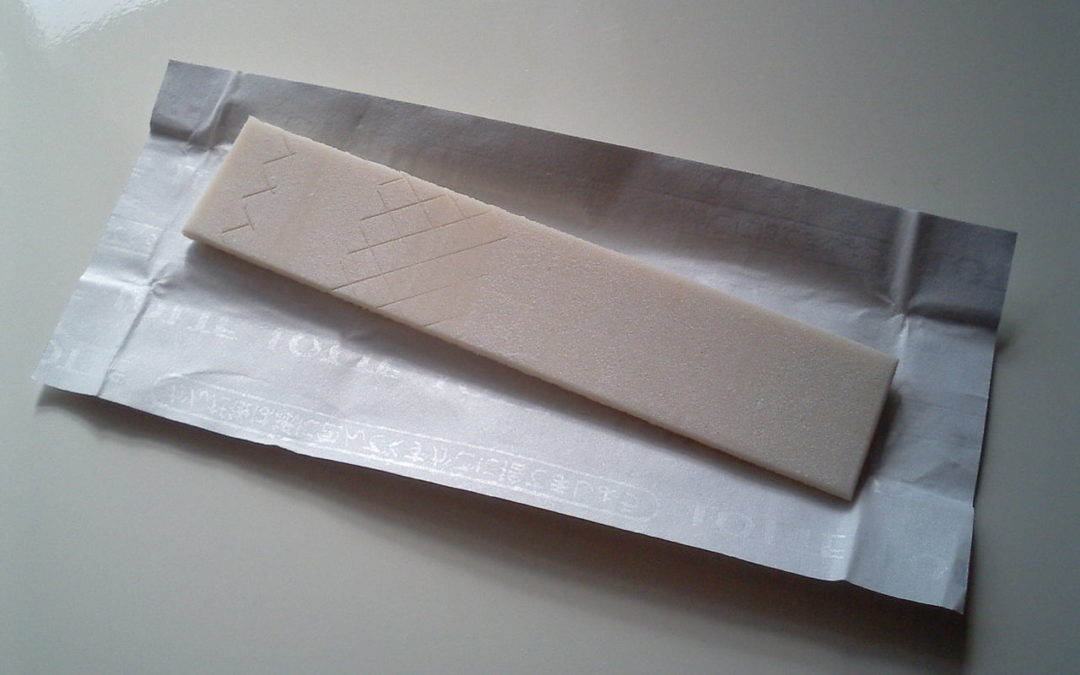
Many people believe, thanks to advertisements and other media, that chewing gum can help clean your teeth and freshen your breath, especially after a meal. Chewing gum can help stimulate saliva flow, which is the body’s natural defense against bacteria on your teeth, but there are other factors that determine whether or not it’s good for you. In fact, it’s the the type of gum you chew that determines whether it’s helpful or harmful to your teeth. Here’s a deeper look at the subject.
How does chewing gum help prevent tooth decay?
The most important factor in picking a chewing gum is the sugar content. If you’re chewing gum that contains sugar, you’re actually increasing your chances of tooth decay, so any gum with sugar is out. There’s clinical evidence that chewing sugar-free gum after meals definitely helps rinse off and neutralize the acids produced by the bacteria in your mouth. These acids are what cause enamel to wear down, leading to cavities. Both the act of chewing and the flavor of the gum increases saliva flow up to ten times the normal rate.
What’s the best chewing gum for teeth?
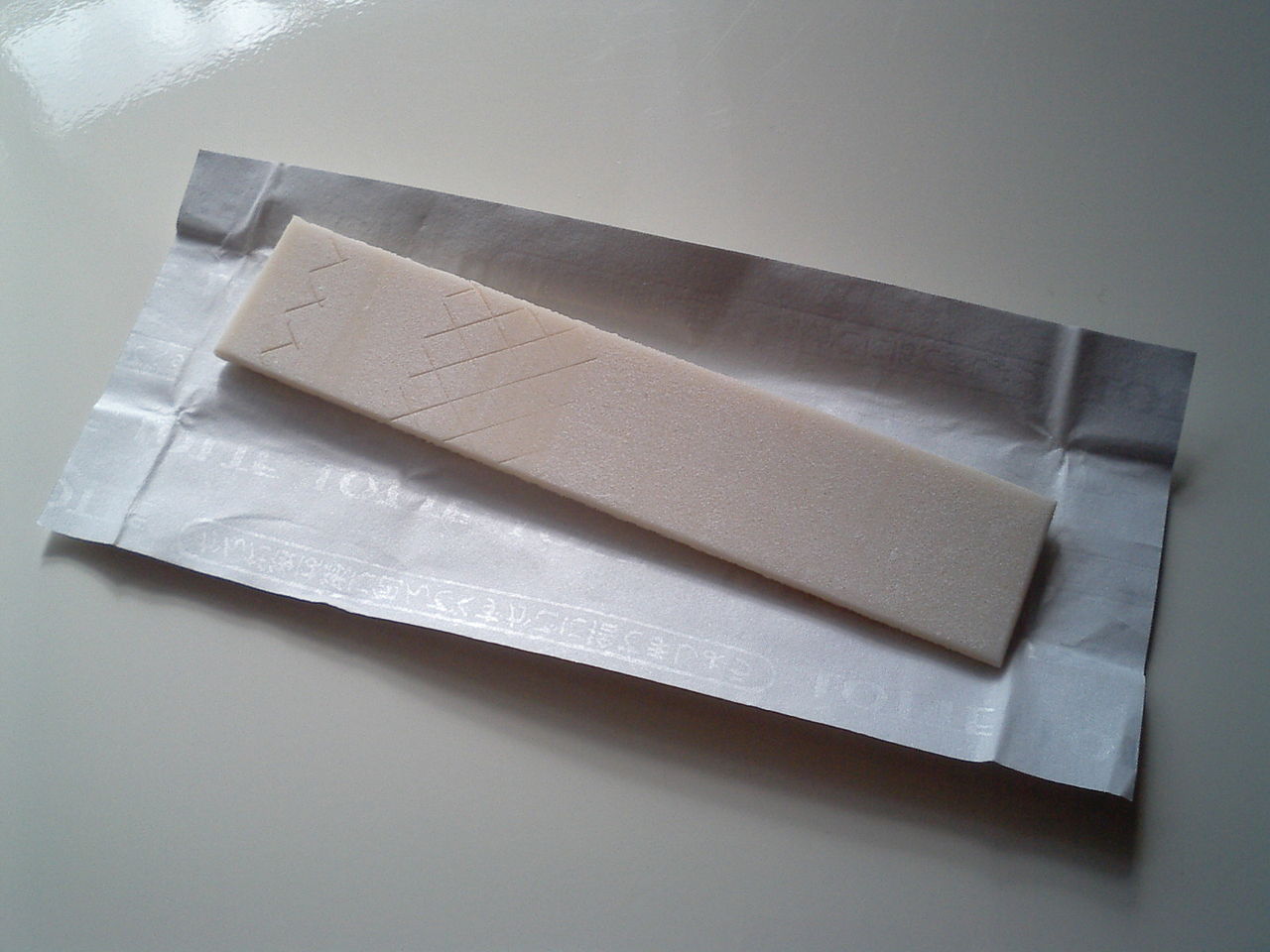 So sugar-free’s definitely the way to go. What’s even better is gum that’s sweetened with xylitol. Xylitol is a naturally occurring sugar alcohol found in most plant material, including many fruits and vegetables. It is about as sweet as table sugar, but with less calories. Sugar-free gum sweetened with xylitol has the added benefit of inhibiting the growth of Streptococcus mutans, one of the oral bacteria that cause cavities. When the xylitol is in the mouth, the bacteria can’t “stick” to the teeth, thereby stunting the process of tooth decay. Over time, the types of bacteria in the mouth change, and fewer decay-causing bacteria can survive on your teeth.
When shopping for chewing gum, look for the ADA seal of approval. All gums with the ADA Seal are sweetened by non-cavity causing sweeteners such as aspartame, xylitol, sorbitol or mannitol.
For most people, chewing sugar-free gum (especially gum sweetened with xylitol) can be good for your teeth when you can’t stop to brush and floss. At the same time, chewing gum should never replace good oral care habits. It’s important to keep brushing and flossing regularly as well as coming in for regular checkups. If it’s time for a checkup, give us a call!
Chewing Gum's Effect on Teeth