
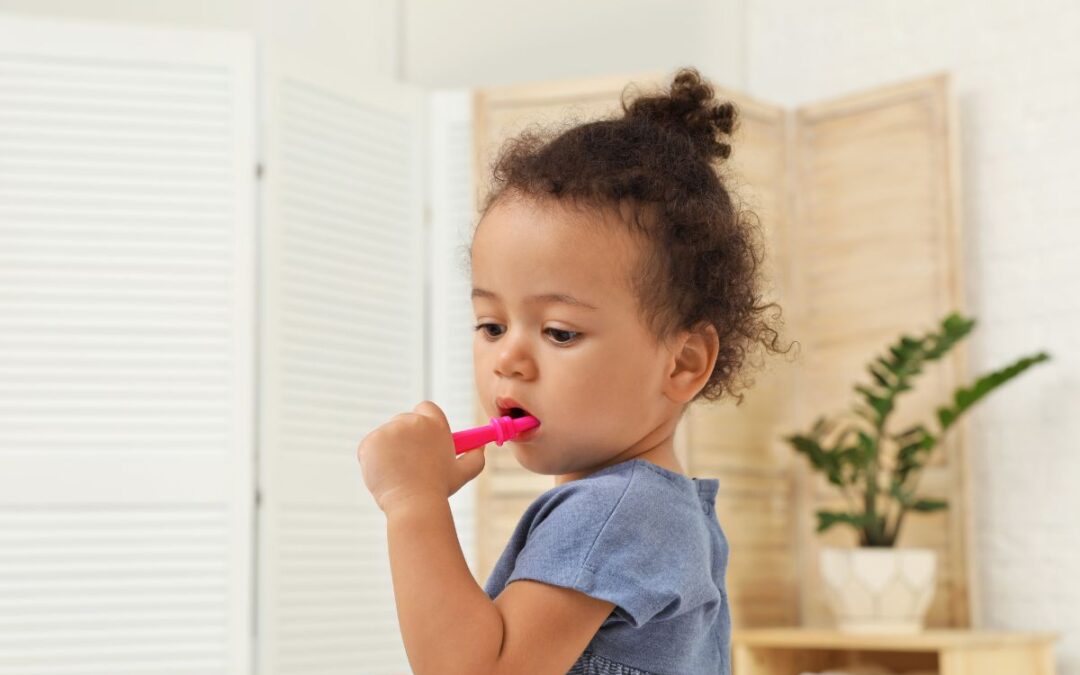
Taking care of your baby’s teeth and gums is crucial from the very beginning. As soon as those first teeth emerge, it’s essential to maintain proper oral hygiene to ensure your child’s smile stays healthy. For many parents in Gilbert, learning the right techniques to clean their little one’s gums and teeth can seem confusing, but it’s a simple and important part of their overall health routine. If you’re unsure how to start, a visit to a trusted children’s dentist in Gilbert can help set you on the right track.
Whether it’s kicking off spring at Kindness USA’s lively Heritage District festivals, chasing kids around Discovery Park under that perfect Arizona sunshine, or building habits that stick for the long haul, parents should know how to start strong.
Your own health routine powers you through those busy days—now give your baby the same winning edge with easy dental care. Here’s your friendly guide to wiping gums and brushing those first tiny teeth just right, with everything you need to know.
Why Cleaning Your Baby’s Gums Is Important?
Even before your baby’s milk teeth appear, it’s essential to begin cleaning their gums. Gum care prevents bacteria buildup, which can lead to infections. It also lays the foundation for good hygiene habits as your toddler grows older and develops more teeth. Regular cleaning helps maintain the health of the soft tissues in the mouth, reducing the risk of discomfort as teeth begin to erupt.
What You Need To Know About Gums Before The First Tooth?
- Use a soft, clean cloth or a gauze pad to gently wipe your baby’s gums after every feeding.
- This practice removes residual milk and reduces the risk of bacterial buildup that can lead to oral infections.
Keeping their gums clean can help prevent infections and conditions such as early childhood caries (ECC), which affects about 1 in 5 children in the U.S. before the age of 5.
How To Clean Your Baby’s Deciduous Teeth?
Once your baby’s milk tooth appears, usually around 6 months, it’s time to start brushing. A children’s dentist in Gilbert suggests using fluoride-free toothpaste to clean the teeth, but not in large amounts. The American Dental Association (ADA) recommends using a smear of toothpaste about the size of a grain of rice for kids under 3 years of age.
Step-by-Step Guide For Cleaning A Newborn’s Teeth:
- Choose a soft-bristled toothbrush made for infants.
- Use a fluoride-free toothpaste and brush gently in small circles. Focus on the front, back, and chewing surfaces of the tooth.
- Brush at least twice a day, ideally after breakfast and before bedtime.
Clinically, starting this routine early can help prevent tooth decay and gum disease. It also builds the foundation for proper hygiene later in life. Tooth decay is the most common chronic childhood disease, affecting 42% of children aged 2 to 11, according to the CDC.
When To Introduce A Toothbrush In Your Junior’s Oral Care?
Once your little one’s milk tooth erupts, typically around 6 months, it’s time to introduce a soft-bristled toothbrush. By this time, they’re likely to be enjoying teething toys, and a toothbrush can be another fun way to help them get accustomed to the sensation.
Choosing a toothbrush specifically made for infants will ensure the bristles are gentle and safe for their sensitive gums and teeth.
As your toddler grows older and begins to understand more about personal care, make brushing a routine part of their day. It should just be like eating meals and going to bed. Many babies enjoy brushing their teeth if they see their parents doing the same, so try to make it a fun, interactive activity.
How To Ensure Your Kids Develop Healthy Oral Hygiene Habits Early?
Creating a healthy oral hygiene routine early in life is key to preventing tooth decay and helping your child develop good habits. Pediatric dentists in Gilbert suggest that teaching good habits now can help avoid dental fear and make your child’s future dental visits much smoother.
Tips For Making Dental Care Fun For Your Tot
Making oral care fun for your tot can set the tone for healthy habits throughout their life. Here are some fun tips:
- Sing A Song while brushing: Babies and toddlers love music, so turn brushing time into a fun, interactive experience.
- Let Them Pick Their Toothbrush: Give your little one options and let them choose a toothbrush in a fun color or with a character they like.
- Be A Role Model: Let your child see you brushing your teeth, so they understand the importance of maintaining healthy teeth.
When To Schedule The First Visit To A Pediatric Dentist In Gilbert?
You should schedule your child’s first dental visit by the time they are one year old, or within 6 months of their deciduous teeth appearing. Early visits help juniors become comfortable in the clinic’s setting and allow pedodontists to monitor the development of their teeth and gums.
At their visit, a Gilbert dentist will:
- Assess oral development to ensure that the milk teeth and gums are healthy.
- Discuss appropriate oral hygiene habits and tips to make brushing enjoyable.
- Provide advice on teething and any concerns you may have.
Early visits can also identify potential issues such as tooth decay or gum line infections, which are easier to treat if detected early.
Give Your Little One The Best Start For Their Oral Health Journey
Proper care of your kid’s first teeth and gums is essential to their overall health and well-being. By starting oral hygiene habits early, you can help your junior avoid future tooth health problems like tooth decay and establish healthy habits for life. If you have any questions or concerns about caring for your tot’s teeth, visit our dental office in Gilbert for personalized guidance. Our team at Sun Valley Pediatric Dentistry will provide you with all the information during the consultation and support you need to keep your baby’s smile healthy and bright.
Frequently Asked Questions (FAQs)
- When should I schedule my child’s first dental check‑up?
Your child’s first dental visit should occur by the time the deciduous teeth appear or no later than their first birthday. Early check‑ups help monitor development and catch issues before they become serious. - What type of toothpaste and amount should I use for my child?
For young children, a small smear of toothpaste about the size of a grain of rice is sufficient until age three. Use a soft toothbrush and ensure they do not swallow excess toothpaste. - When is the right time to start flossing my child’s teeth?
Begin flossing as soon as two teeth touch, because brushing alone can’t clean between them effectively. Flossing removes debris that leads to cavities if left trapped between teeth. - Are finger‑sucking or pacifier habits harmful for my child’s teeth?
Thumb‑sucking or pacifier use is normal in infants, but prolonged habits past age three can affect tooth alignment and bite. Dental professionals may recommend ways to gently discourage the habit if it persists. - How can I make brushing more successful if my child resists?
Turn brushing into a fun, routine experience by using songs, games, or brushing together with your child. Encouraging play and positive reinforcement helps them cooperate and reduces resistance.