
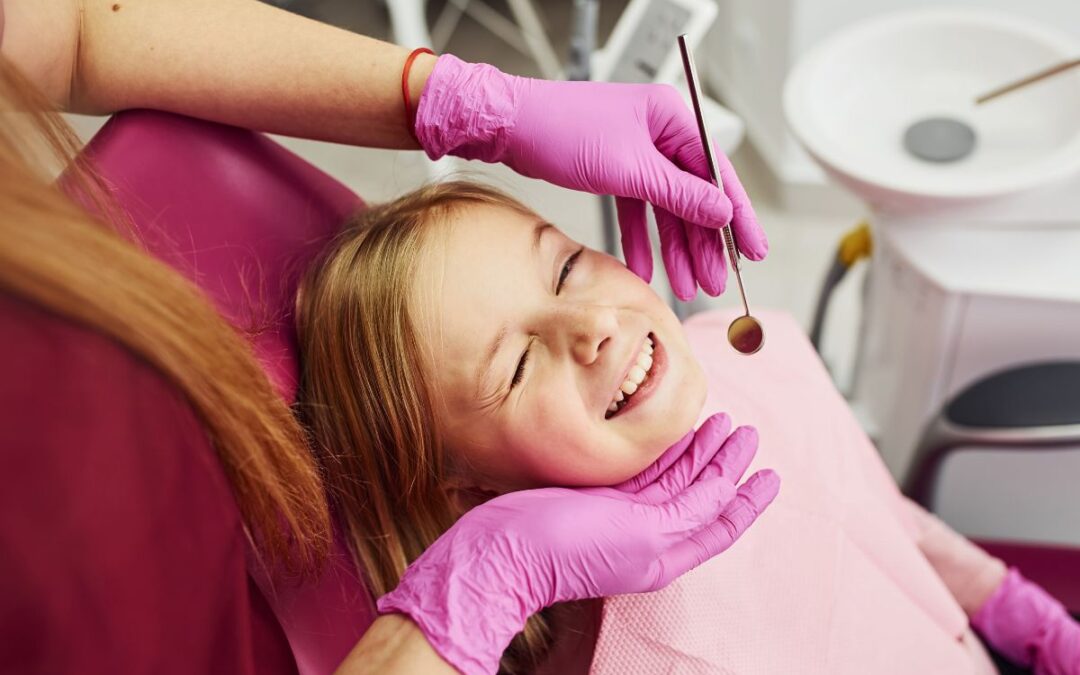
Many parents in Avondale hear that baby teeth eventually fall out, which can lead them to believe they are not very important. In reality, these early teeth play a vital role in a child’s development and future oral health. Baby teeth help children chew comfortably, speak clearly, and guide permanent teeth into their proper positions. When parents understand their importance and support healthy dental habits early, children are more likely to maintain strong oral health as they grow. Paying attention to baby teeth from the start helps build a solid foundation for lifelong dental wellness.
The Role Baby Teeth Play in Early Development
Baby teeth, also known as primary teeth, usually begin to appear when a child is around six months old. These teeth serve several important purposes beyond simply helping children eat. One of their key roles is supporting speech development. As children learn to talk, their teeth help them form sounds and pronounce words properly.
Primary teeth also enable children to chew a wide variety of foods. Being able to chew properly supports digestion and helps children receive the nutrients needed for healthy growth. If dental discomfort prevents children from eating certain foods, their nutrition and overall well-being may be affected.
Another essential function of baby teeth is maintaining space for permanent teeth. Each primary tooth acts as a natural guide that keeps the correct spacing in the jaw. If a baby tooth is lost too early because of decay or injury, nearby teeth may shift into the empty space. This movement can create alignment challenges when permanent teeth begin to erupt.
Why Protecting Baby Teeth Is Important
Although baby teeth eventually fall out, they still require proper care and attention. Tooth decay in primary teeth can cause discomfort and may lead to infection if left untreated. Dental pain can interfere with daily activities such as eating, sleeping, and concentrating at school.
Caring for baby teeth also helps children develop consistent oral hygiene habits. When brushing and dental visits become part of a child’s routine early in life, they are more likely to continue these habits as they grow older.
Families in Avondale often turn to a trusted pediatric dentist to monitor their child’s oral development and address concerns before they progress. Regular checkups allow dental professionals to identify early signs of cavities, enamel changes, or spacing concerns while providing guidance on maintaining healthy teeth and gums.
The Importance of Early Dental Visits
How Early Checkups Support Healthy Smiles
Dental professionals recommend scheduling a child’s first dental appointment by the age of one or when the first tooth appears. Early dental visits help track how teeth and jaws are developing while giving parents the opportunity to ask questions about their child’s oral care.
During these visits, parents can receive guidance on topics such as teething, brushing techniques, thumb-sucking habits, and pacifier use. Preventive measures, such as fluoride applications or sealants, may also be recommended to help protect teeth from decay.
When families visit our dental office in Avondale for regular appointments, children become more familiar with the dental environment. This familiarity often helps reduce fear or anxiety about dental care and encourages a positive attitude toward maintaining oral health.
Encouraging Healthy Dental Habits at Home
Parents play a significant role in protecting their child’s baby teeth. Establishing a routine of brushing twice daily with a small amount of fluoride toothpaste helps remove plaque and reduce the risk of cavities. As children grow and their teeth begin to touch, flossing becomes an important part of oral hygiene.
Limiting sugary snacks and beverages can also help protect tooth enamel. Offering water between meals and encouraging balanced nutrition supports overall dental health. Small habits practiced every day can make a lasting difference in preventing dental problems.
Consistency is key when building healthy routines. When children see oral care as a normal part of their daily schedule, they are more likely to maintain these habits throughout their lives.
A Strong Foundation for Lifelong Oral Health
Baby teeth may only remain in place for a few years, but their impact extends far beyond childhood. They guide the development of permanent teeth, support speech and nutrition, and help children build confidence in their smiles. By giving primary teeth proper care, parents help create the conditions for healthier adult teeth and gums.
If you want to support your child’s dental health from an early age, professional guidance can make a meaningful difference. Contact us at 623-474-2900 today to schedule your child’s dental appointment and take an important step toward lifelong oral health.
FAQs
- Why are baby teeth important if they eventually fall out?
Baby teeth help children chew food, speak properly, and hold space for permanent teeth that will develop later. - When should my child first visit the dentist?
Children should have their first dental visit by their first birthday or within six months after the first tooth appears. - Can cavities in baby teeth affect permanent teeth?
Yes. Untreated cavities may lead to infection and can impact the development of permanent teeth beneath the gums. - How can parents protect baby teeth from decay?
Brushing twice daily with fluoride toothpaste, limiting sugary snacks, and scheduling routine dental visits help protect primary teeth. - What happens if a baby tooth falls out too early?
Early tooth loss may allow nearby teeth to shift into the empty space, which can affect the alignment of permanent teeth. - Are regular dental visits necessary if my child has no dental pain?
Yes. Routine checkups help detect early dental concerns and allow professionals to monitor a child’s oral development. - When should children start flossing?
Children should begin flossing once two teeth touch, as brushing alone cannot clean between those areas.