
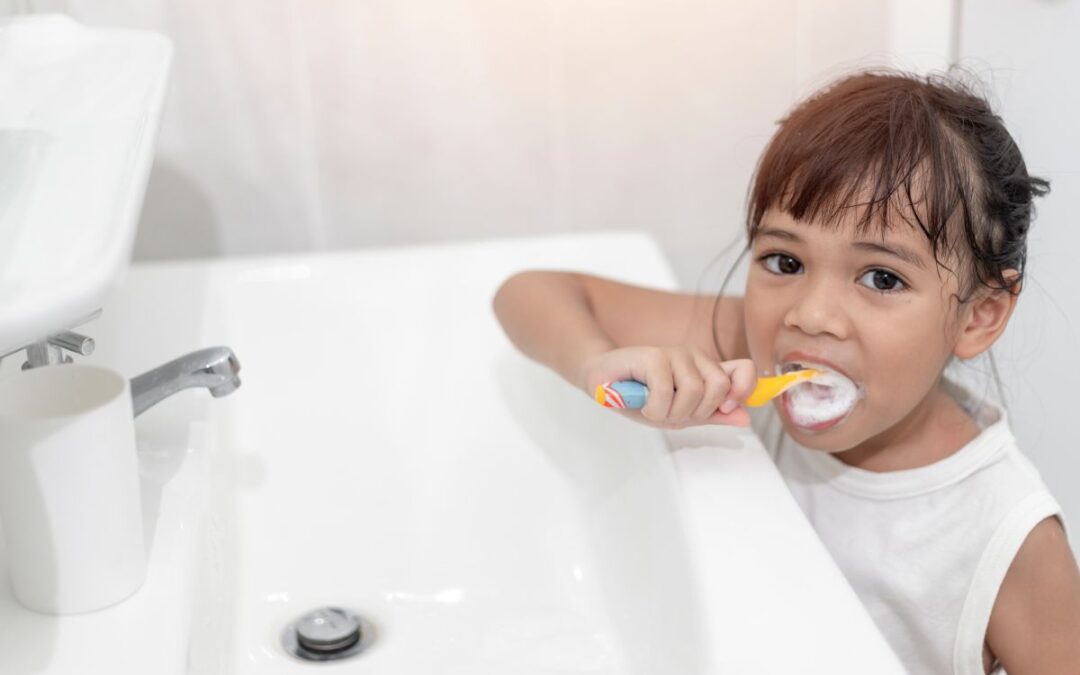
A calming bedtime routine helps kids settle down after a busy day, but it also plays a significant role in supporting strong oral health. Encouraging children to follow consistent nightly habits sets the foundation for healthy teeth as they grow. With a predictable routine, kids learn the importance of caring for their mouths long before dental issues have a chance to appear.
Understanding the Importance of Nighttime Oral Care
During sleep, the mouth produces less saliva, allowing sugars and bacteria to linger on the teeth for longer periods. This makes nighttime brushing and flossing essential for maintaining good oral health. Children who develop these skills early tend to experience fewer dental problems and gain confidence in managing their own dental needs. Parents can also use this time to bond with their children while instilling habits that benefit them for years to come.
How to Build a Tooth-Friendly Bedtime Routine?
An intense nighttime routine starts with brushing for two minutes using fluoride toothpaste suitable for your child’s age. Fun timers, music, or brushing apps can make the process more enjoyable. Encouraging kids to spit but not rinse allows fluoride to stay on their teeth longer, giving added protection as they sleep. After brushing, gentle flossing clears remaining food and plaque from between teeth.
Consistency is the key to building these habits. Reinforcement from a trusted Avondale pediatric dentist in the middle of your family’s oral care journey can make the routine even smoother. Pediatric dentists are trained to work with children’s unique needs, making them valuable partners in strengthening at-home routines and ensuring proper dental development.
Creating a Positive Nighttime Atmosphere
After oral care, the rest of the bedtime routine should invite calmness. Dim lighting, reading a favorite book, and avoiding snacks after brushing all contribute to healthier nights. Limiting sugary drinks and sticky foods to the daytime schedule helps protect teeth and promotes better overall sleep habits. If a bedtime drink is needed, water is always the best choice.
As the routine becomes consistent, children understand what comes next and start transitioning more easily toward sleep. Suppose you ever feel unsure about your child’s dental habits or notice issues such as plaque buildup or tooth sensitivity. In that case, you can always visit our dental office in Avondale to receive supportive care from professionals who specialize in children’s smiles.
When to Seek Dental Guidance
Parents should seek professional insight if brushing becomes a struggle, if their child’s teeth appear discolored, or if certain areas seem particularly difficult for the child to clean. Early support helps prevent future dental concerns and keeps the bedtime routine both effective and stress-free.
A Moment for Parents Looking Ahead
Building a bedtime routine that supports healthy teeth doesn’t happen overnight, but the effort pays off in long-lasting habits and confident little brushers. When families commit to these nightly steps, children learn that caring for their teeth is a natural and essential part of ending the day. If you’re ready to strengthen your child’s dental routine or schedule their next appointment, contact us at 623-474-2900 so we can guide you with personalized, child-friendly care.
FAQs
- When should my child start brushing their teeth?
Parents should begin brushing as soon as the first tooth appears using a small, soft toothbrush. - How long should bedtime brushing last?
Two minutes is recommended to ensure thorough cleaning and proper fluoride exposure. - Is flossing necessary for young children?
Yes, flossing removes plaque between teeth and is important even for young kids with tight spacing. - Should my child rinse after brushing at night?
It’s best if they spit out the toothpaste but do not rinse, so fluoride continues to protect the teeth. - What if my child resists brushing at night?
Making brushing fun through songs, timers, or reward charts often helps reduce bedtime resistance. - How often should my child see a pediatric dentist?
Most children benefit from visits every six months unless their dentist recommends otherwise.