
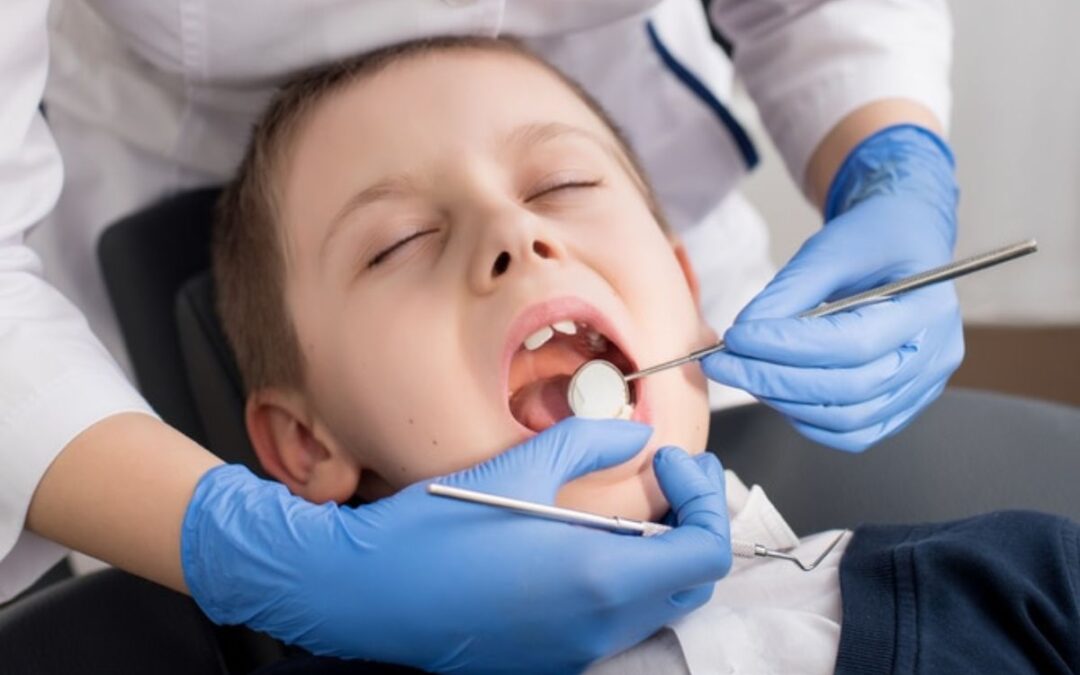
Witnessing your child’s first teeth erupt is one of the most thrilling experiences in their early years as a parent. These tiny pearly whites are essential for your child’s confident eating, speaking, and smiling. Maintaining young smiles requires an understanding of the differences between baby and permanent teeth. Keep scrolling below to explore pediatric dentistry, teething, and how a kid’s dentist helps with positive outcomes.
Your Child’s First Teeth: More Than Just a Milestone
The first teeth, or primary teeth, appear when your kid turns six. Optimal care is essential for these baby teeth to serve these purposes.
Chewing and Nutrition: Children who have their main teeth positioned correctly are able to chew food fully. This facilitates digestion and guarantees that they get the nutrients they need for healthy growth.
Speech Development: The formation of some sounds depends on your baby’s first set of teeth. If missing or misplaced teeth cause speech issues, correcting them needs a thorough evaluation by a kid’s dentist in Gilbert.
Guiding Permanent Set: Baby teeth ensure correct alignment and growth by occupying space in the jaw for the final set. The adjacent teeth may shift if they fall out sooner due to decay or trauma. These dental misalignments are carefully addressed with braces or Invisalign.
The Transition from Primary to Final Set of Teeth
When your little one turns six, the shift from the first set of teeth to the final one typically starts. This process continues until early adolescence, with the full set of 32 teeth (including third molars) in place by the late teenage years. These permanent teeth last a lifetime with proper dental and orthodontic care.
Key Differences Between Baby and Permanent Teeth
Parents often wonder what makes these two sets of teeth different. Here are the main distinctions:
Size and Strength: Baby teeth are more vulnerable to decay since they are smaller and have thinner enamel. Adult teeth, on the other hand, offer excellent resistance to damage and are bigger than the primary ones.
Number of Teeth: There are 20 baby teeth in children. This count is 32 in the case of permanent teeth, which include wisdom teeth.
Durability: Be it primary or permanent teeth, they require regular dental care to stay intact. If full-grown teeth are damaged, prosthetics and other restorative treatments can restore young smiles.
Caring for Your Child’s Teeth at Every Stage
Cavities affect both the baby and permanent teeth of about 50% of children in the age group of 6 to 9. In order to help them achieve strong and healthy teeth, it is essential to maintain a good dental hygiene regimen.
1. Proper Brushing Habits
Make sure your child uses a soft, small-bristled toothbrush to brush twice a day, right after the first tooth erupts. In the case of infants, simple water can be used to keep their baby teeth clean. Only after being recommended by a pediatric dentist, introduce your little one to fluoride toothpaste at the age of two.
2. Routine Dental Checkups
The first dental appointment should be planned before your kid turns 1 year old or within six months of teething. Regular examinations are vital for regulating oral hygiene practices and detecting dental or orthodontic issues early.
3. Identify and Address Pediatric Dental Problems
Young patients frequently have the following issues. Visit our dental office for proper diagnosis and treatment planning.
- Teething Discomfort: An intense need to chew or drool is common in children, which occurs after the eruption of their first set of teeth. A cold teething ring or a little massage of the gums might alleviate discomfort.
- Early Tooth Decay: Excessive consumption of sugary beverages, such as milk or juice, can lead to extensive tooth decay. To prevent enamel breakdown, do not put your infant to sleep with a bottle. Start with a cup of milk instead.
- Thumb-Sucking Issues: Prolonged thumb-sucking after the age of three may occasionally have an impact on jaw growth and tooth alignment.
Comprehensive care is essential for protecting your child’s first or second sets of teeth. Parents can take the help of a pediatric dentist to guide proper jaw development and teeth movement into adulthood. Prioritizing early dental care not only prevents future complications but also fosters positive habits that last a lifetime. Visit Sun Valley Pediatric Dentistry – Gilbert to learn how to keep young smiles in shape.