
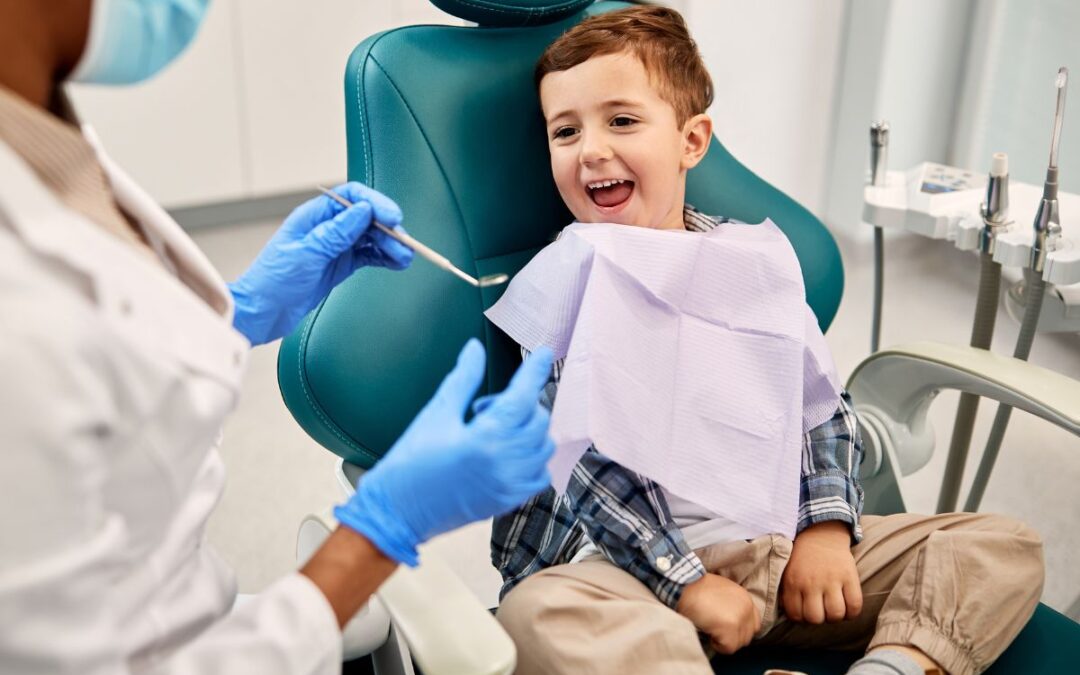
While a certain amount of anxiety is normal at any age, visiting the dentist is an essential part of building lifelong oral health. Unfortunately, dental anxiety in children is common and can make appointments stressful for both kids and parents. The good news is that with preparation and the right strategies, easing dental anxiety in kids is absolutely possible.
Here are some practical tips for overcoming fear of dentist for kids and helping your child feel more comfortable at their next visit.
Common Reasons Kids Fear the Dentist
- Fear of the unknown and not knowing what will happen
- Unfamiliar sounds, lights, and dental tools
- Separation anxiety when parents can’t be by their side during treatment
- Previous negative experiences with medical or dental visits
Understanding the “why” behind your child’s fears is the first step to helping them cope.
Signs Your Child May Be Anxious About Dental Visits
Every child expresses worry differently, but these are some common signs:
- Crying or refusing to get ready for the appointment
- Trouble sleeping the night before a visit
- Asking lots of nervous questions about what will happen
- Clinging to parents in the waiting room
If you notice these behaviors, your child may be struggling with dental anxiety.
Tips for Easing Dental Anxiety in Kids
1. Start Early with Dental Visits
The American Dental Association recommends that children visit the dentist by age one, or when their first tooth comes in. Starting young helps dental visits feel like a normal part of life before any fear sets in.
2. Choose a Pediatric Dentist
A pediatric dentist’s office in Gilbert is designed with kids in mind—bright colors, friendly staff, and a welcoming environment. Pediatric dentists also receive special training in behavior management and know how to keep visits positive and stress-free.
3. Use Positive Language at Home
Avoid words like “hurt,” “shot,” or “pain.” Instead, talk about how the dentist helps keep teeth strong and healthy. A positive approach can shift your child’s perspective.
4. Role Play at Home
Try playing “dentist office” with your child. Pretend to count their teeth or brush them with a toy toothbrush. This fun practice can make the real experience less intimidating.
5. Read Books or Watch Shows About the Dentist
Many children’s books and TV shows feature familiar characters going to the dentist. Reading or watching these together helps normalize the experience.
6. Offer Comfort and Reassurance
Bring along a favorite stuffed animal, toy, or blanket. Your calm attitude also matters—children often mirror their parents’ emotions.
7. Celebrate After the Visit
A small reward, like extra playtime or choosing a fun activity, can turn a dentist visit into a positive memory.
When to Talk to Your Dentist About Extra Help
If your child’s anxiety is very strong and makes dental care difficult, let your pediatric dentist know. They can suggest behavior management techniques, distraction methods, or in rare cases, sedation options. The goal is always to keep your child comfortable and safe.
Schedule Your Child’s Visit in Gilbert, AZ
At Sun Valley Pediatric Dentistry, we specialize in helping children feel safe, calm, and cared for during every visit. Our team in Gilbert is dedicated to this mission. Whether it’s your child’s first appointment or they’ve been struggling with dental anxiety, our friendly staff is here to help.
Call us today at 855-637-9928 to book an appointment with your trusted Gilbert pediatric dentist.
Need directions? You can easily find our office here.
Final Thoughts
Fear of the dentist is common, but it doesn’t have to last forever. With early visits, positive reinforcement, and a supportive pediatric dental team, your child can build confidence and even look forward to checkups. By focusing on easing dental anxiety in kids, parents set the foundation for healthy habits that will last a lifetime.
Frequently Asked Questions (FAQs)
1: What is the typical age range for a baby to get their first tooth?
A: Most babies get their first tooth between 4 and 7 months old. However, some may sprout one as early as 3 months, while others might not see one until after their first birthday.
2: What are the common signs my baby is starting to teethe?
A: Common signs include irritability or fussiness, excessive drooling, swollen and tender gums, chewing on objects (like fingers or toys), changes in eating habits, and sleep disruptions.
3: In what order do baby teeth usually appear?
A: The typical order is: Bottom central incisors (bottom front), followed by Top central incisors (top front), then Lateral incisors, First molars, Canines, and finally, Second molars.
4: When should I take my baby to see a dentist for the first time?
A: The American Academy of Pediatric Dentistry recommends seeing a dentist within 6 months of the first tooth coming in, or no later than age one.
5: How can I help soothe my baby’s teething discomfort?
A: You can offer a chilled (not frozen) teething ring or washcloth, gently massage their gums with a clean finger, or use safe teething toys. If your baby is especially fussy, you can also consult your pediatrician about pain-relief options.